

Uganda
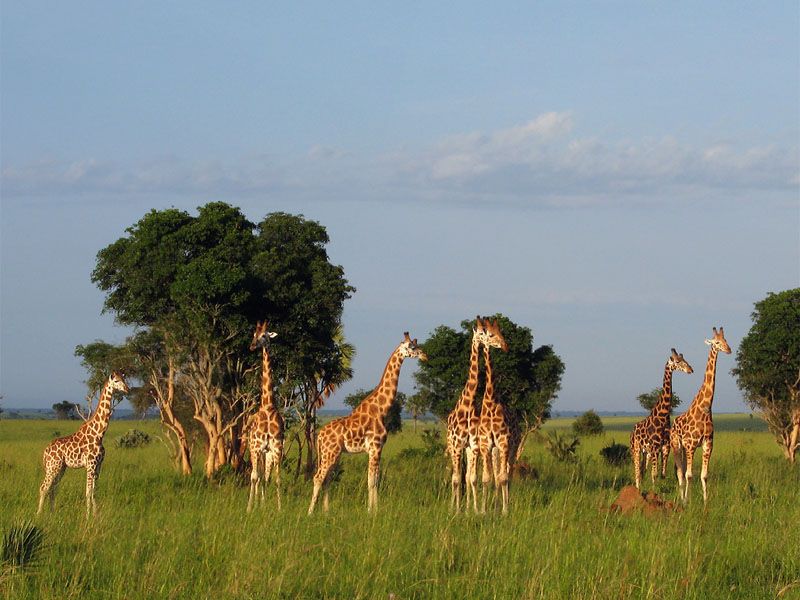
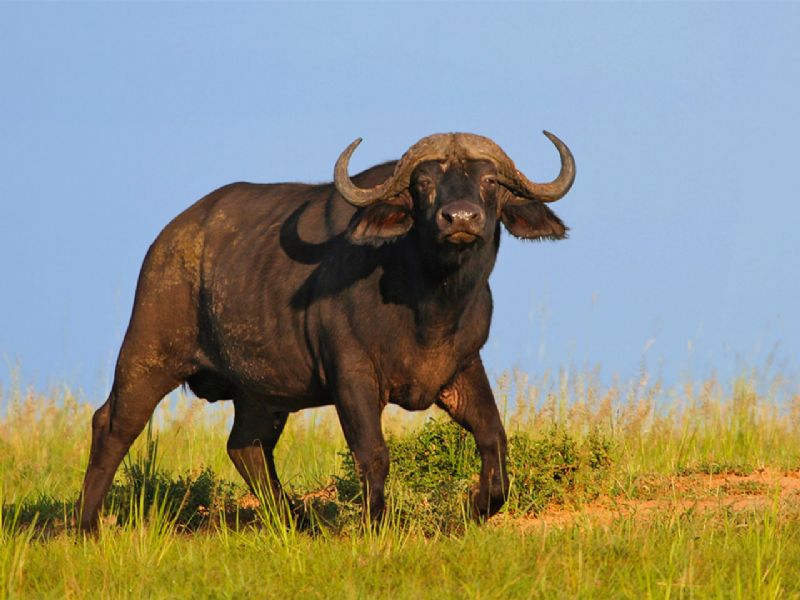
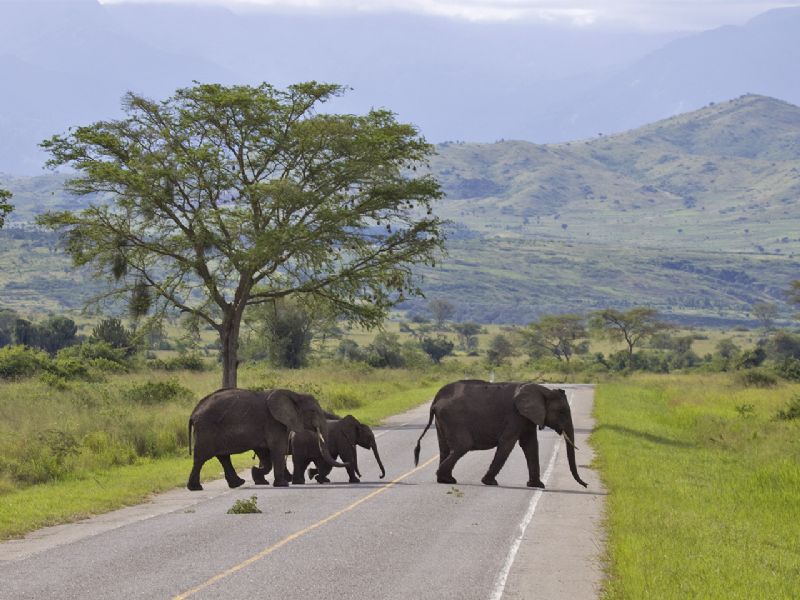
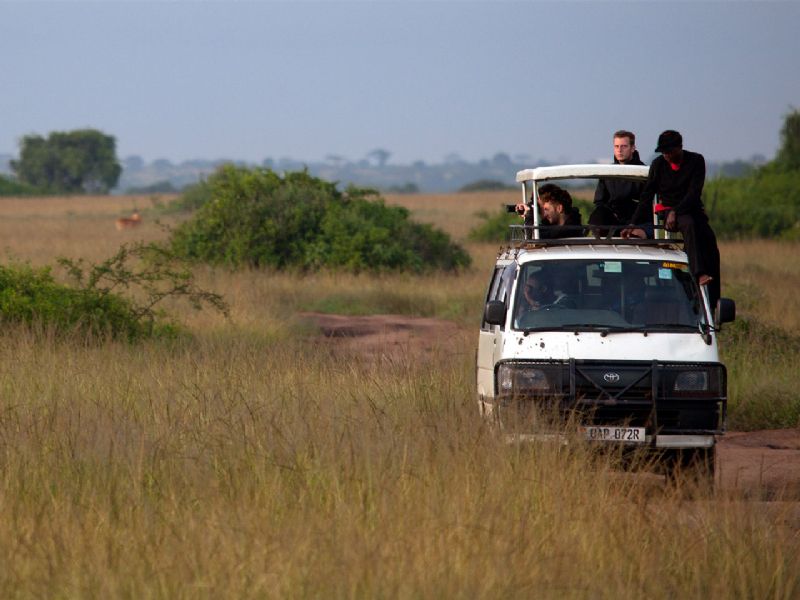
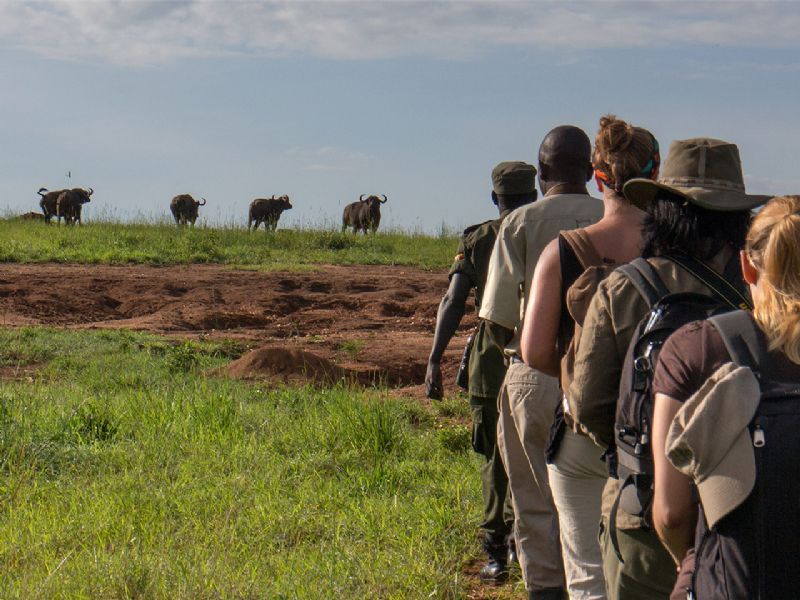
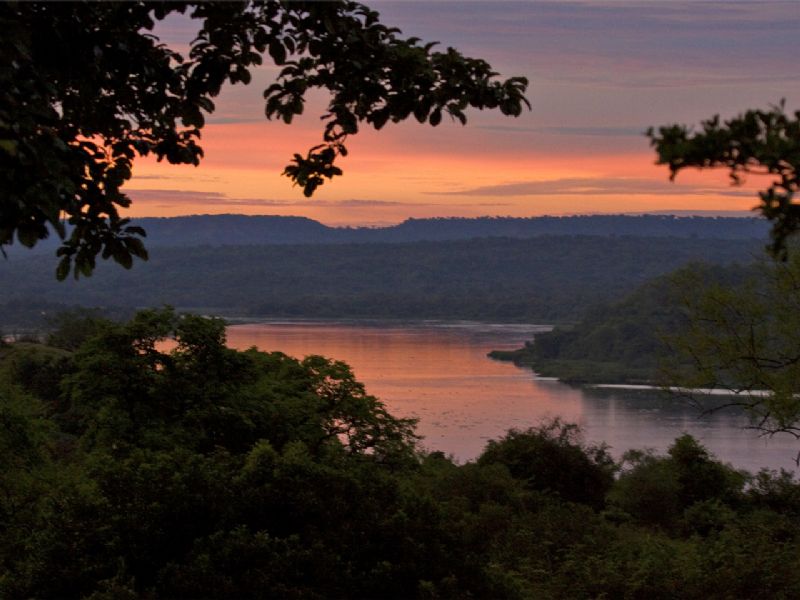
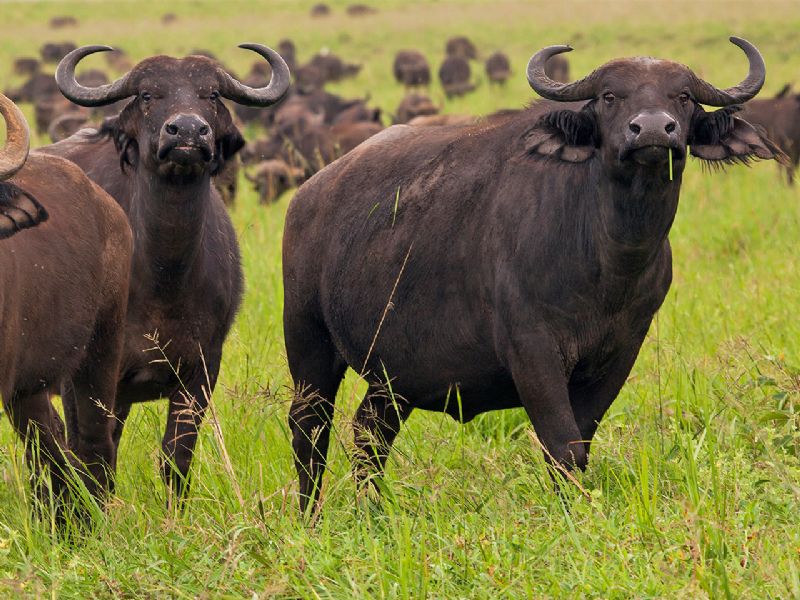
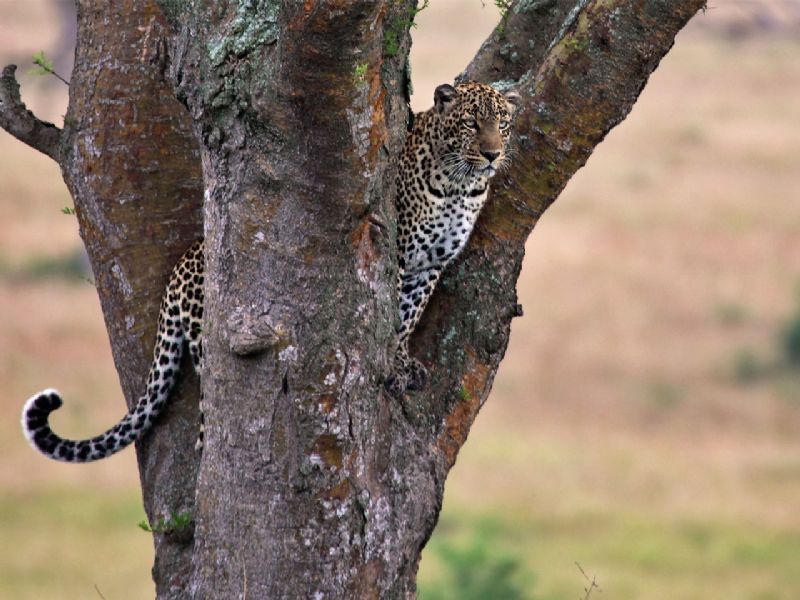
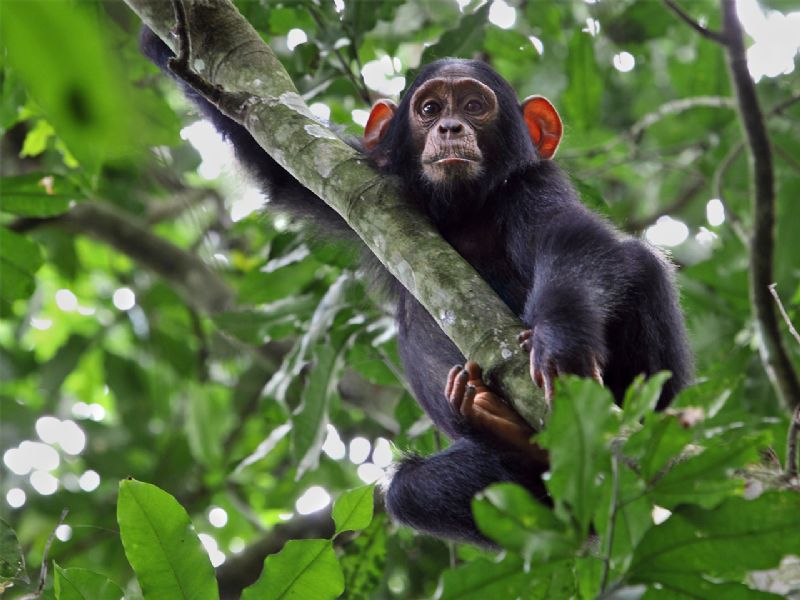
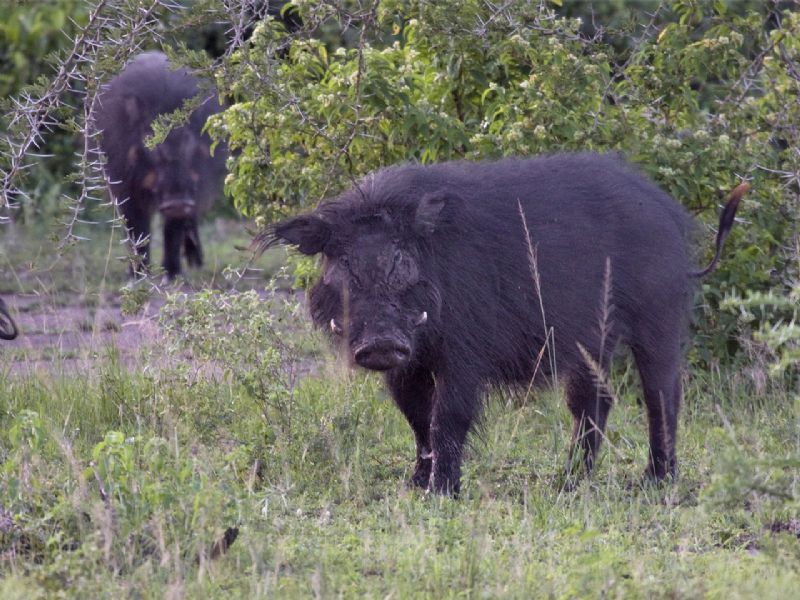
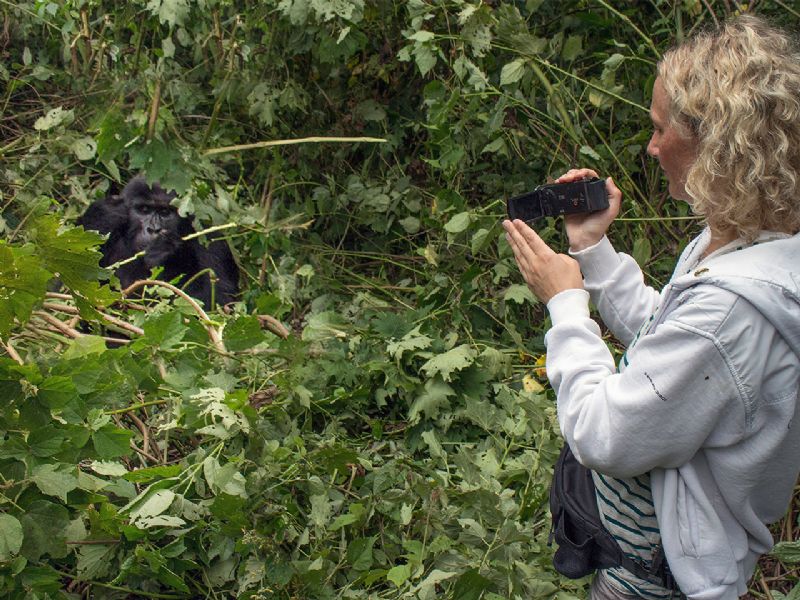
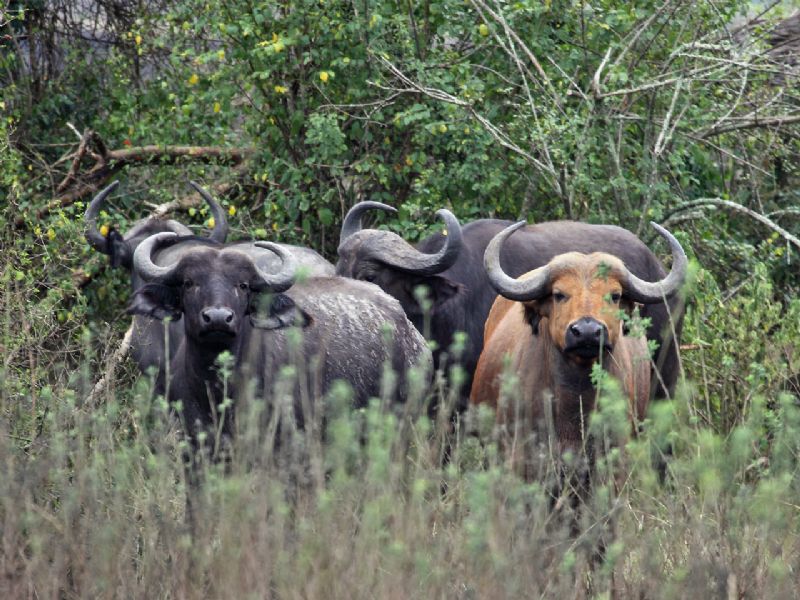
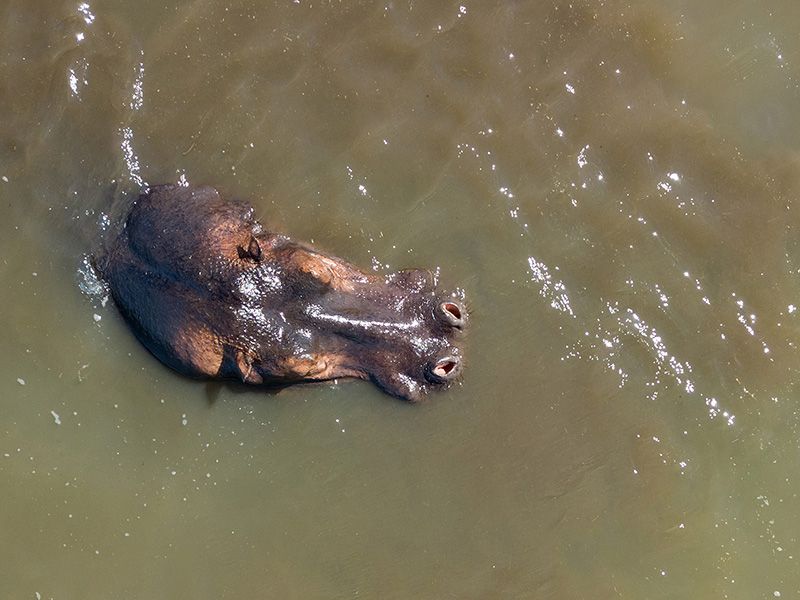
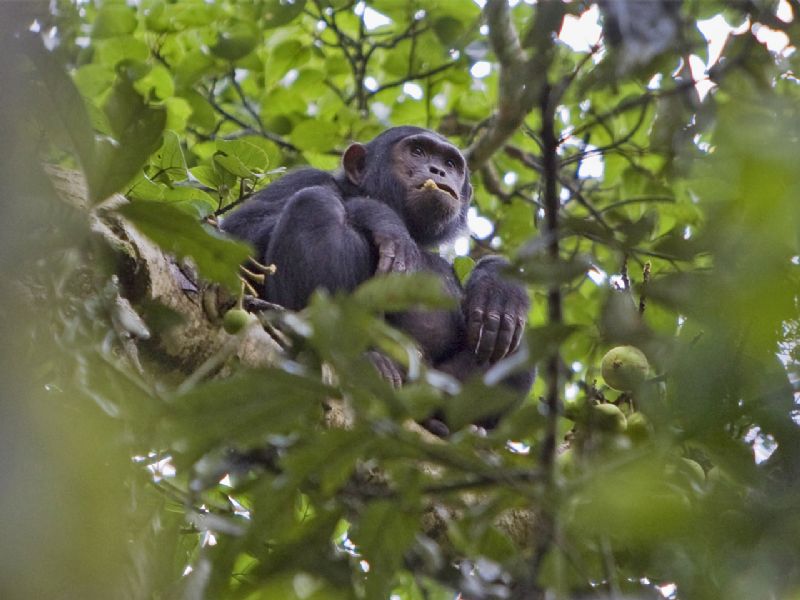
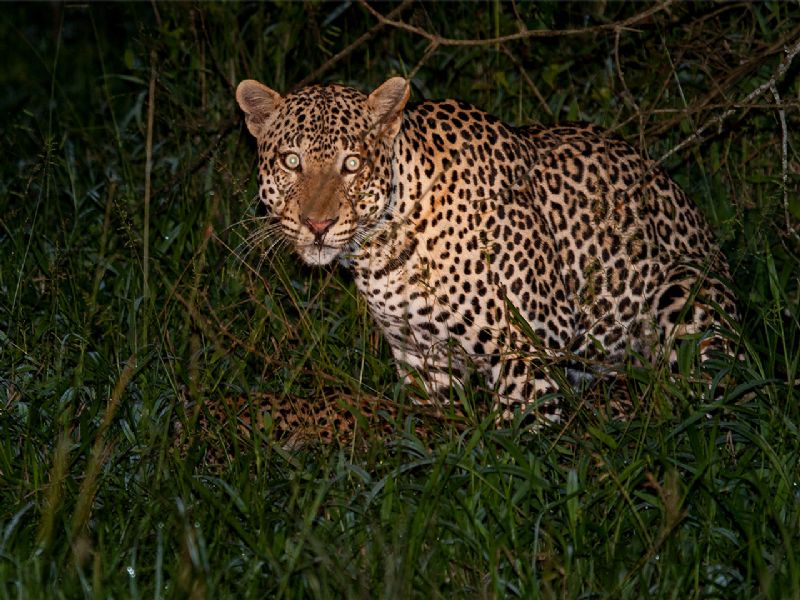
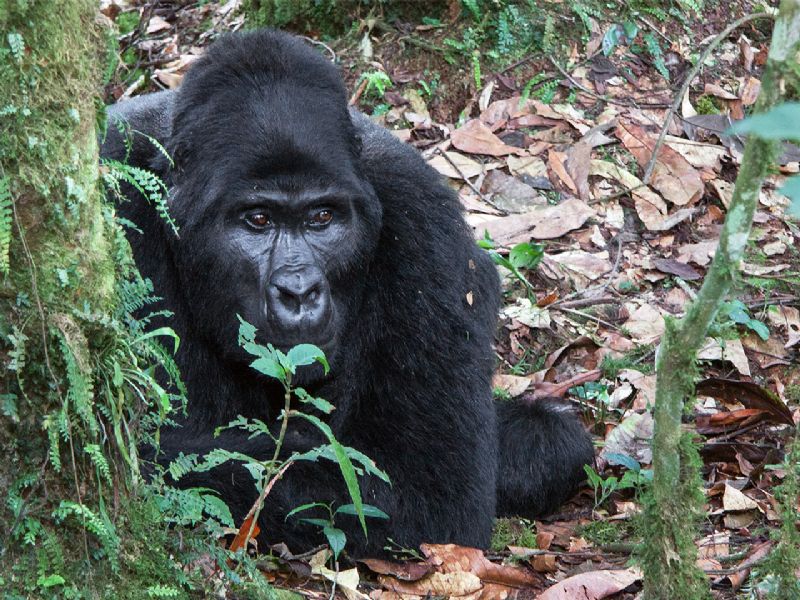
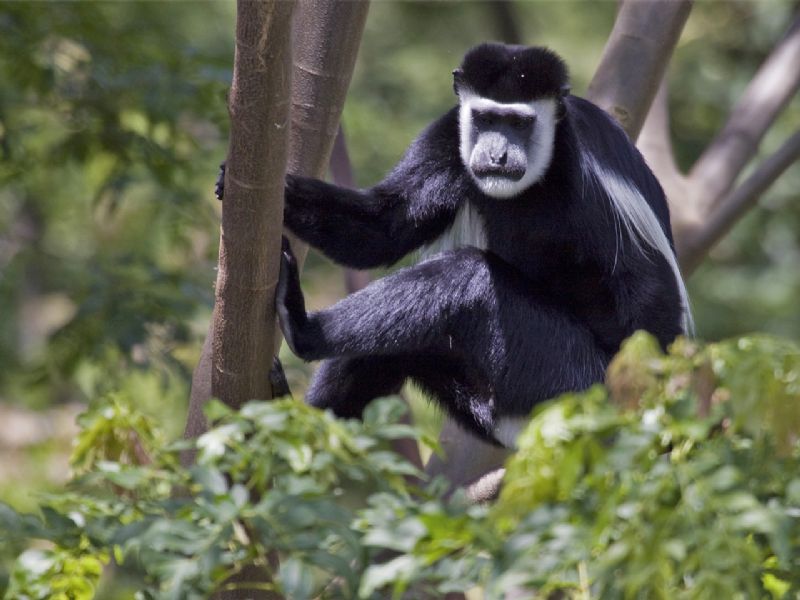
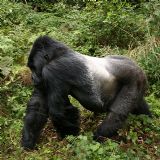
Uganda is called 'The Pearl of Africa'. It offers the best of East and West Africa. A combination animals from the Savannahs and Forests: Elephants, Lions, Buffaloes, Leopards, Giraffes, Mountain Gorillas, Chimpanzees, Forest Elephants, Forest Buffaloes and Giant Forest Hogs.
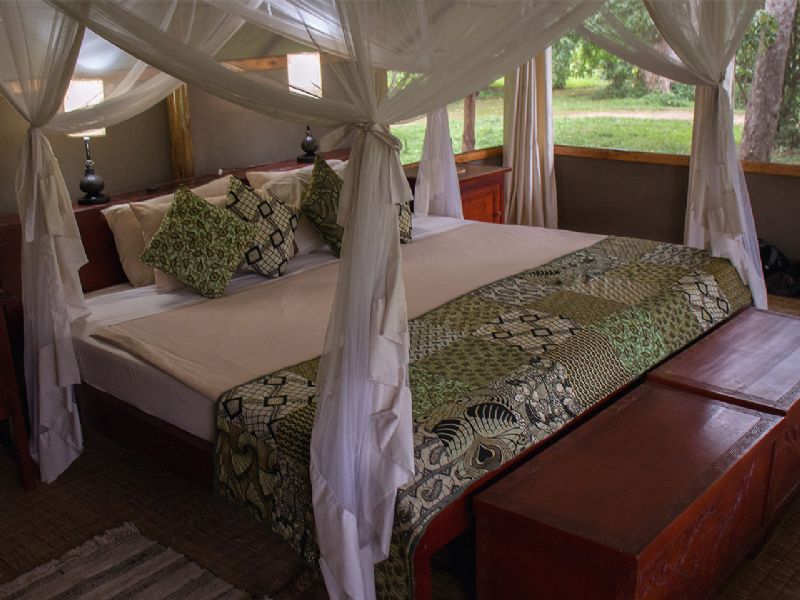
See our Tours below. It is possible to book one of our Standard Tours or to join one of our Group Tours (with guaranteed departures). You can make your own selection of destinations and highlights in our tours using the check boxes on the left. Accommodations can be Lodges / Hotels / Tented Camps or Camping.
You can also Design your own Tour or go to the Group Tours 
Tours Uganda


HIGHLIGHTS OF UGANDA (14 DAYS)
Our 14-day trip brings you the highlights of Uganda: where the savannah meets the rainforest. Expect to see the animals of the savannahs (lion, elephant, buffalo, giraffe, hippo, leopard) and up to 15 primate species, including gorillas and chimps!!!
BEST OF UGANDA (20 DAYS)
Our 20-day trip brings you the best of Uganda: where the savannah meets the rainforest. Expect to see the animals of the savannahs (lion, elephant, buffalo, giraffe, hippo, and leopard) and up to 16 primate species, including gorillas and chimps!!!
UGANDA COMPLETE (25 DAYS)
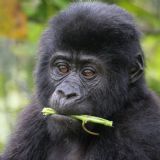
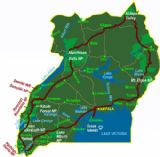
Our 25-day trip brings you all the highlights of Uganda: The remote Northern circuit (seldom visited by tourists) and all the well-known highlights of Uganda: where the savannah meets the rainforest. During this trip it is possible to see the big 5 and gorillas and chimps! Animals you might see include: lion, elephant, buffalo, leopard, rhino, giraffe, hippo, crocodile and up to 15 primate species (including gorillas and chimps).
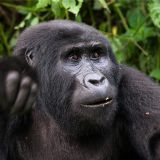
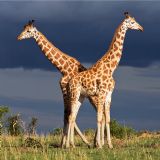
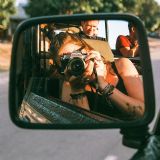
PHOTO TOUR UGANDA
Our special photo safari tour brings you the highlights of Uganda, including the Big 5, gorilla’s, chimps and many other monkey species. During this trip an experienced photo guide will join the trip to help you to make the best photos of the wildlife. Maximum number of participants is 4.
WESTERN UGANDA (10 DAYS)
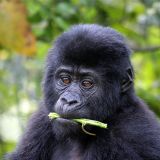
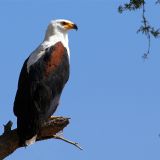
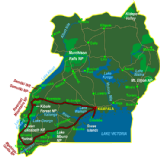
Our 10-day trip brings you the highlights of Western Uganda: where the savannah meets the rainforest. Expect to see the animals of the savannahs (lion, elephant, buffalo, giraffe, hippo, leopard) and up to 15 primate species, including gorillas and chimps!!!
GORILLA TRACKING IN BWINDI (4 DAYS)
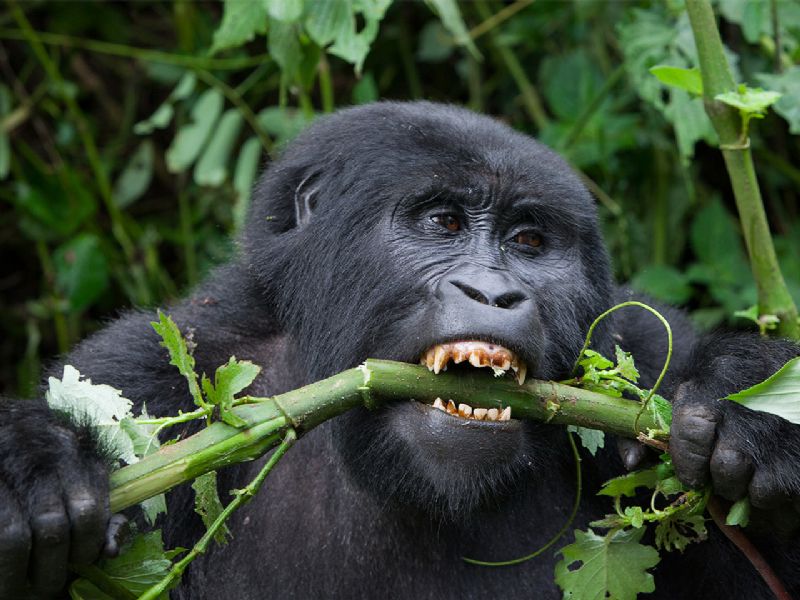
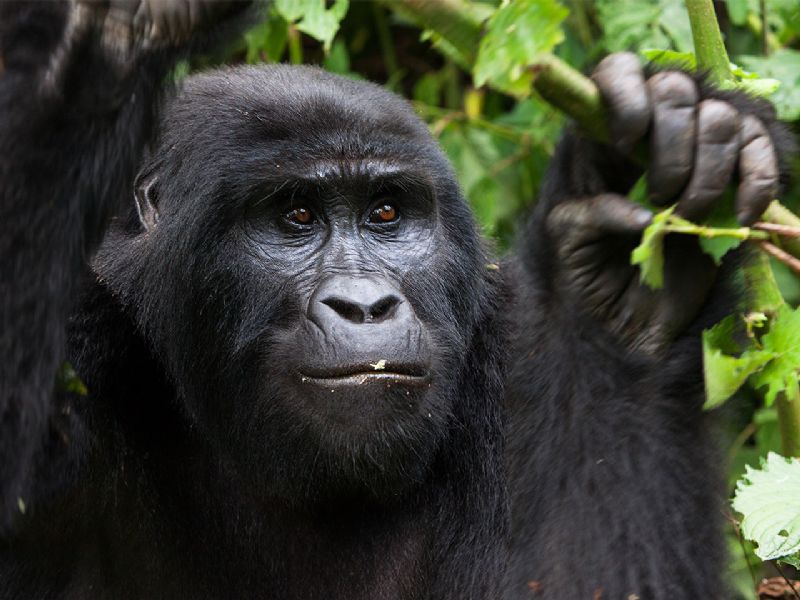
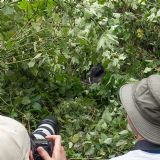
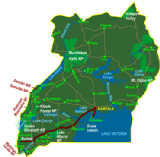
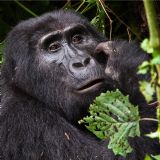
Our 4-day trip brings you the highlight of Uganda: Tracking the Mountain Gorillas!
Spend one hour with our very close relatives in Bwindi Impenetrable National Park.
UGANDA NORTHERN CIRCUIT INCLUDING KIDEPO VALLEY (12 DAYS)
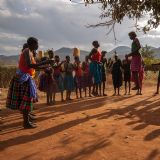
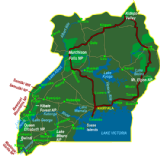
Our 12-day trip brings you the Northern Circuit of Uganda: This remote area is seldom visited by tourists. Expect to see the animals of the savannahs (lion, elephant, buffalo, giraffe and, leopard) in a beautiful and unspoiled and unique landscape.
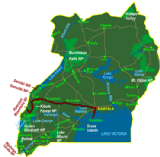
HIKING THE RWENZORI (10 DAYS)
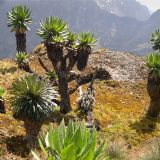
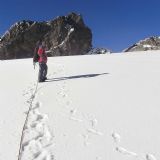
This 10 day trip (8 days on the Rwenzori Mountains) brings you the Mountains of the Moon, the Rwenzori Mountains.
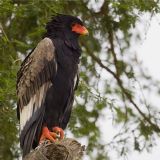
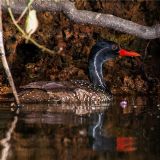
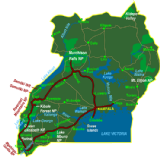
BIRDING THROUGH UGANDA (22 DAYS)
Our 22-day trip brings you the best of the birdlife in Uganda.
Uganda has a variety of landscapes and over 1000 bird species! This trip brings you to the most important birding sites in Uganda. Habitats to be seen: Forest, Lowland jungle, Swamps, Canals and Lakes, Mountains and Savannahs.

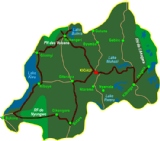
PRIMATES OF RWANDA (8 DAYS)
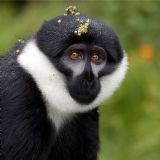
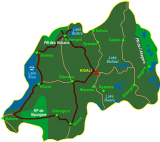
Our 8 day trip brings you the Primates of Rwanda: Expect to see up to 15 primate species, including gorillas and chimps!!!
This trip specifically includes the most important and well known Forested national parks of Rwanda: Nyungwe Forest National Park and Volcanoes National Park
BEST OF RWANDA (14 DAYS)
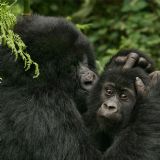
Our 14-day trip brings you the best of Rwanda: where the savannah meets the rainforest. Expect to see the animals of the savannahs (elephant, buffalo, giraffe, hippo, leopard) and up to 15 primate species, including gorillas and chimps!!!
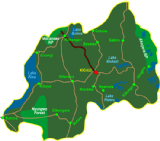
GORILLAS IN THE MIST (3 DAYS)
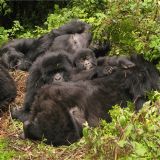
Our 3 day trip brings you the Gorillas in the Mist, the Mountain Gorillas of the Volcanoes National Park in Rwanda. This is where Dian Fossey (16/12/1932 - 26/12/1985) studied her gorillas. The movie Gorilla`s in the mist (1988) with Sigourney Weaver was also filmed here.
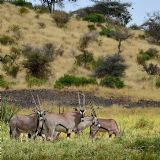
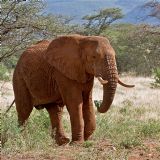
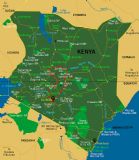

NORTHERN RIFT KENYA (9 DAYS)
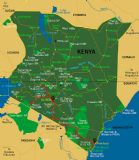
Our 9 days Northern Rift trip brings you the highlights of Kenya. Expect to see the best of wildlife in the less explored National Parks and Game Reserves in northern Kenya, including the unique Solio Rhino Sanctuary, hiking in the Aberdare ranges and relaxing at the lodges’ swimming pools.
HIGHLIGHTS KENYA AND DIANI BEACH (15 DAYS)
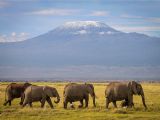
Our 15 days Highlights of Kenya trip brings you the highlights of Kenya. Expect to see the best of wildlife in Maasai Mara, the Flamingos of Lake Naivasha, Rhino watching at Solio Rhino Sanctuary, the famous elephant herds of Amboseli, big game in Tsavo East and relaxing at Diani beach.
SOUTHERN KENYA (12 DAYS)
Our 12 days Southern Kenya trip brings you the highlights of Kenya expect to see the best of wildlife in Maasai Mara, the Flamingos and Rhinos of Lake Nakuru, the famous elephant herds of Amboseli, big game in Tsavo East and relaxing at Diani Beach.
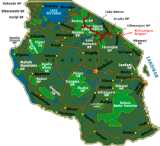

HIGHLIGHTS OF THE NORTHERN CIRCUIT (8 DAYS)
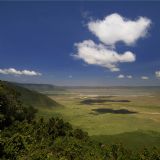
Our 8-day Africa wildlife safari specifically includes four national parks of the Northern Circuit: the Ngorongoro Crater, Serengeti National Park, Lake Manyara National Park and Tarangire National Park.
BEST OF THE NORTHERN CIRCUIT (10 DAYS)
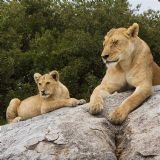
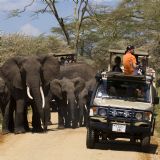
Our 10-day Africa wildlife safari brings you the best of Tanzania. Expect to see the animals of the savannah (lion, elephant, buffalo, giraffe, hippo and leopard) and beautiful landscapes.
COMPLETE NORTHERN CIRCUIT (14 DAYS)
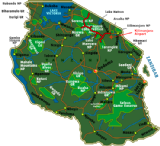
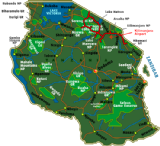
Our 14-day Africa wildlife safari includes the Ngorongoro Crater, Serengeti National Park, Lake Manyara National Park, Tarangire National park, Arusha National Park, Mkomazi National Park and Lake Natron with Oldonyo Lengai, an active volcano.
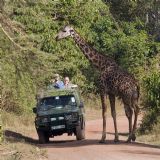
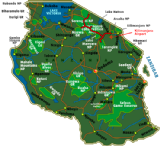
NORTHERN CIRCUIT (7 DAYS)
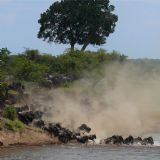
Our 7-day Africa wildlife safari specifically includes the Ngorongoro Crater, Serengeti National Park and Tarangire National Park in Tanzania.
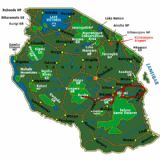
HIGHLIGHTS OF THE SOUTHERN CIRCUIT (10 DAYS)
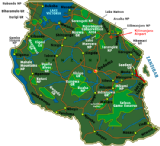
Our 10-day Highlights Southern Circuit safari includes 4 national parks of the Southern Circuit: Mikumi National Park, Ruaha National Park, Udzungwa Mountains National Park and Nyerere National Park (Formerly Selous Game Reserve) the biggest protected wildlife area in Africa.
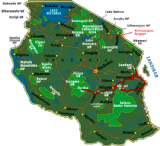
BEST OF THE SOUTHERN CIRCUIT (14 DAYS)
Our 14-day Southern Circuit safari includes all the national parks of the Southern Circuit: Selous Game Reserve, Mikumi National Park, Ruaha National Park, Udzungwa Mountains National Park and Saadani National Park.
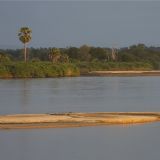
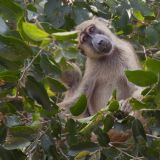
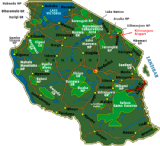
SAFARI NYERERE NATIONAL PARK (4 DAYS)
Our 4-day Southern Circuit safari includes Selous Game Reserve (new name Nyerere National Park). Nyerere is still wild and unspoilt, the real Africa, with more lions than tourists.
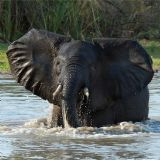
SAFARI SAADANI (4 DAYS)
Our 4-day Southern Circuit safari includes Saadani National Park.
During this trip you can relax on the beautiful
and private beaches of Saadani National Park,
go for game drives or do a magnificent boat trip.
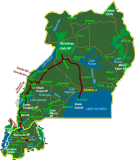
HIGHLIGHTS OF UGANDA & RWANDA (15 DAYS)
Our 15-day trip brings you the best of Uganda and Rwanda: where the savannah meets the rainforest. Expect to see the animals of the savannahs (lion, elephant, buffalo, giraffe, hippo, leopard) and up to 16 primate species, including gorillas and chimps!!!
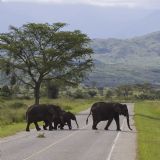
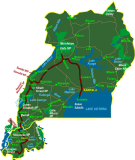
BEST OF UGANDA & RWANDA (21 DAYS)
This trip specifically includes the most important and well known national parks of Uganda and Rwanda: Murchison Falls National Park, Kibale Forest National Park, Semuliki National Park, Queen Elizabeth National Park, Bwindi National Park, Lake Bunyonyi, Volcanoes National Park and Nyungwe Forest National Park.
PRIMATES OF EAST AFRICA (18 DAYS)
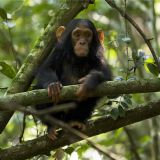
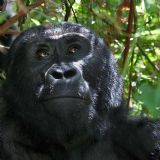
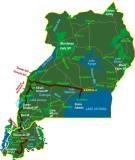
Our 18-day trip brings you the primates of Uganda and Rwanda: You can see up to 20 primate species, including mountain gorillas, chimpanzees, the rare golden monkeys, dent`s monkeys, black and white colobus, red colobus, mona monkey, and Angolan colobus monkeys.
BEST OF UGANDA & TANZANIA (17 DAYS)
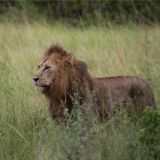
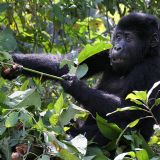
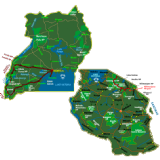
Our 17 days trip brings you the best of Uganda and Tanzania;
where the savannah meets the rainforest. Expect to see the
big 5 and the other big game on the savannahs and up to 15
primate species, including gorillas and chimps!!!
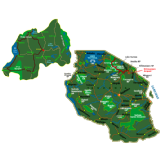
BEST OF RWANDA & TANZANIA (14 DAYS)
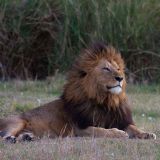
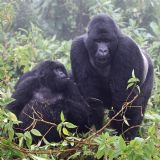
Our 14 days trip brings you the best of Rwanda and Tanzania;
where the savannah meet the rainforest. Expect to see the big 5
and the other big game on the savannahs and up to 14 primate species, including gorillas and chimpanzees!!!
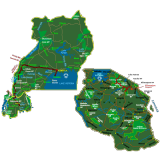
BEST OF UGANDA, RWANDA & TANZANIA (18 DAYS)
Our 18 days trip brings the best of Uganda, Rwanda and Tanzania;
where savannah meets the rainforest. Expect to see the big 5 and
the other big game on the savannahs and up to 17 primate species, including gorillas and chimps!
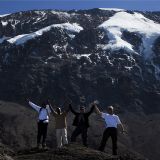
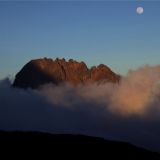
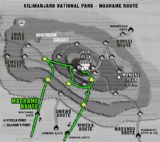
KILIMANJARO MACHAME ROUTE (6 DAYS)
Machame is probably the most beautiful route up Kilimanjaro.
For this route, you don`t need any mountain climbing skills, but you must be fit.
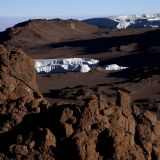
KILIMANJARO LEMOSHO ROUTE (7 DAYS)
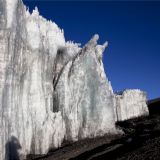
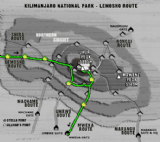
Lemosho route is a little used, unspoiled, remote and beautiful Route. The second part of the route is similar to the Machame and Shira route On the first day you are accompanied by an armed ranger, because you can have encounters with buffalo, elephant and other big animals.
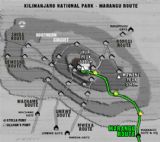
KILIMANJARO MARANGU ROUTE (5 DAYS)
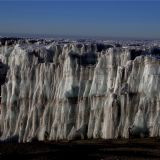
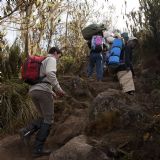
The Marangu Route (also known as the Coca Cola route) is the most popular route, partly because it is the least expensive route.
For this route, you don`t need any mountain climbing skills, but you must be fit.
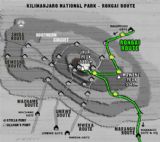
KILIMANJARO RONGAI ROUTE (6 DAYS)
The Rongai Route is one of the easiest ascents to the peak.
It has a well-defined path, which has been well set out and where most obstacles have been modified to make it friendly.
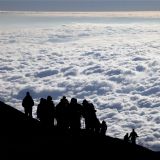
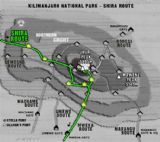
KILIMANJARO SHIRA ROUTE (7 DAYS)
Shira Plateau Route is a little used, unspoiled, remote and a beautiful way up to Shira Plateau.
On the first day you will drive by car and only need to walk the last part to Simba Camp.
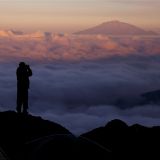
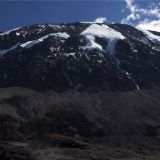
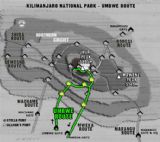
KILIMANJARO UMBWE ROUTE (6 DAYS)
The Umbwe Route is the most direct (and for that reason also the hardest) route to the summit of Mount Kilimanjaro, through the Southern Glaciers of Kilimanjaro and Western Breach of Kibo.
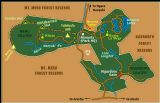
MOUNT MERU TREKKING (4 DAYS)
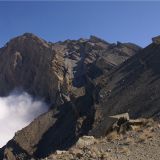
Mount Meru is the smaller brother of Mount Kilimanjaro, reaching 4.565m (14,977ft). This volcano is very scenic and during the trekking a lot of wildlife can be seen. Whole Mount Meru lies within Arusha National Park.
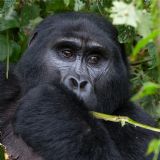
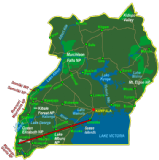

GORILLA TRACKING IN BWINDI - FLY IN (4 DAYS)
Our 4 day Fly In brings you the highlight of Uganda: Tracking the Mountain Gorillas! Spend one hour with our very close relatives in Bwindi Impenetrable National Park.
QUEEN ELIZABETH NATIONAL PARK - FLY IN (3 DAYS)
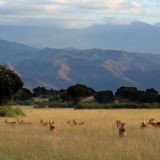
Our 3-day Fly In safari brings you Queen Elizabeth National Park. Expect to see the animals of the savannahs (lion, elephant, buffalo, giraffe, hippo, leopard) and chimpanzees in the Kyambura Gorge.
BWINDI & QUEEN ELIZABETH NATIONAL PARK - FLY IN (6 DAYS)
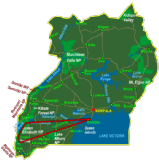
Our 6 day Fly In safari brings you the highlights of Uganda: Gorilla tracking, Chimp tracking, the tree climbing lions of Ishasha and a boat trip on the Kazinga Channel.
This trip specifically includes 2 of the most well known national parks of Uganda: Bwindi National Park and Queen Elizabeth National Park.
QUEEN ELIZABETH & KIBALE FOREST - FLY IN (5 DAYS)
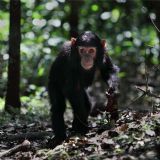
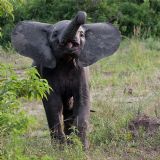
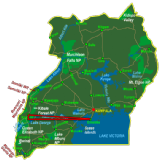
Our 5-day Fly In safari brings you Queen Elizabeth National Park and Kibale Forest National Park. Expect to see the animals of the savannahs (lion, elephant, buffalo, giraffe, hippo, leopard) and chimpanzees and up to 12 primate species in Kibale Forest.
MURCHISON FALLS NATIONAL PARK - FLY IN (4 DAYS)
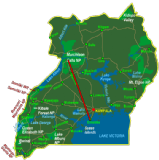
Our 4-day Fly In safari brings you the highlights of Murchison Falls National Park. Expect to see the animals of the savannahs (lion, elephant, buffalo, giraffe, hippo, and leopard) and primate species, including chimps!!!
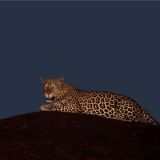
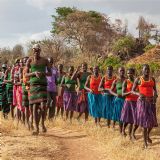
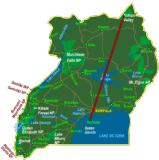
KIDEPO VALLEY NATIONAL PARK - FLY IN (4 DAYS)
Our 4 day Fly In safari brings you the Kidepo Valley National Park: This remote area is seldom visited by tourists. Expect to see the animals of the savannahs (lion, elephant, buffalo, giraffe and, leopard) in a beautiful, unspoiled and unique landscape.
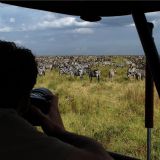
KENYA MAASAI MARA - FLY IN (5 DAYS)
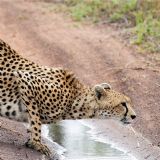
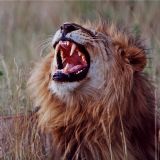
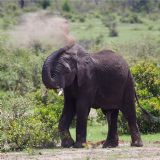
Our 5 days Maasai Mara trip brings you the highlight of Kenya and maybe East Africa: The Maasai Mara. Expect to see the best of wildlife in Maasai Mara, the big five zone! Wildlife includes: Elephant, rhino, lion, leopard, buffalo, cheetah, giraffe, zebra, wildebeest, hippo, crocodile and many other animal species.
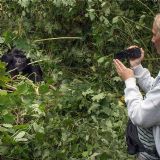
KENYA MAASAI MARA AND UGANDA BWINDI - FLY IN (7 DAYS)
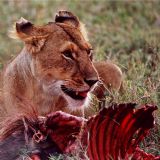
Our 7-day Maasai Mara and Bwindi trip brings you the highlights of East Africa: The Maasai Mara in Kenya and Bwindi National Park in Uganda.
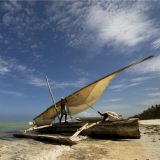
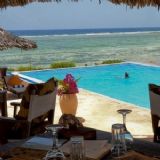
ZANZIBAR, KASHA BOUTIQUE HOTEL (6 DAYS)
Zanzibar is an archipelago in the Indian Ocean, 25 to 50 km off the coast of Tanzania, consisting of numerous small islands and two large ones: Unguja (the main island, sometimes informally referred to as Zanzibar) and Pemba.
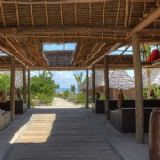
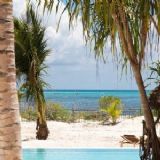
ZANZIBAR, MWEZI BEACH RESORT (6 DAYS)
Zanzibar is an archipelago in the Indian Ocean, 25 to 50 km off the coast of Tanzania, consisting of numerous small islands and two large ones: Unguja (the main island, sometimes informally referred to as Zanzibar) and Pemba.
KAMPALA CITY TOUR (DAYTOUR)
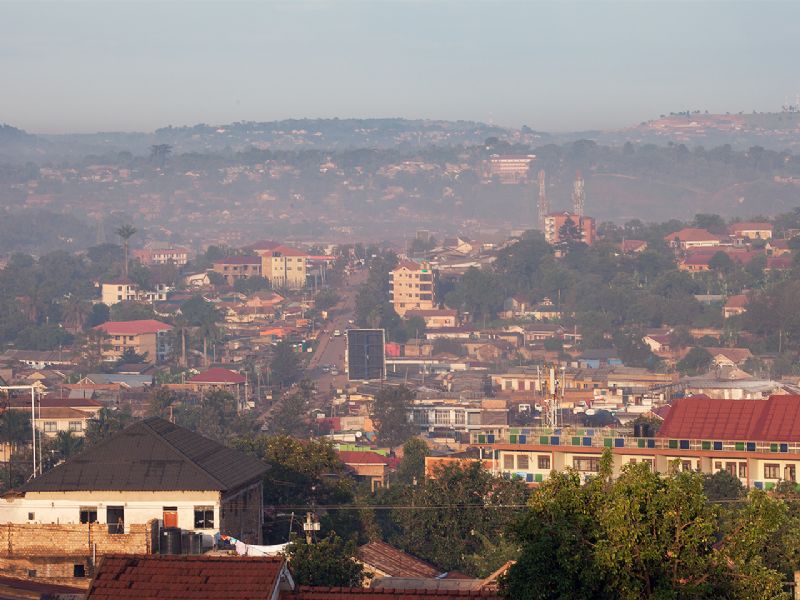
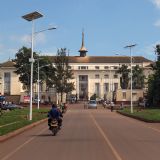
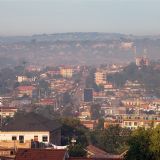
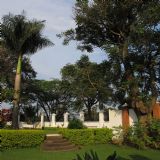
Kampala is an interesting city, originally built on 7 hills (just like Rome). Nowadays there are over 24 hills and over 1,2 million people. Kampala is a pleasant city and remarkably safe. It has many restaurants, nightclubs, bars, cinemas and other modern facilities.
BIRDING IN AND AROUND KAMPALA (DAYTOUR)
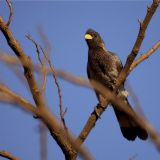
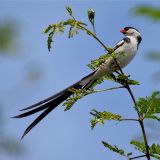
One of Kampala’s best kept secrets is Kampala is a great destination for birding! Come and see this for yourself. Birders should be able to see up to 30 bird species in one day.
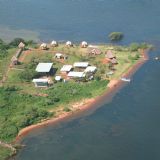
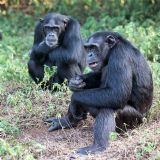
NGAMBA ISLAND AND UGANDA WILDLIFE EDUCATION CENTRE (DAYTOUR)
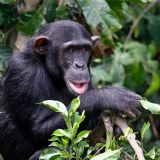
Visit Ngamba Island and see how the Chimps are taken care of. Here live Chimps who are dependent on humans and who can’t live in the wild. You can come close to them, and maybe even feed them. You will also visit the Uganda Wildlife Education Centre. Here you can see many animals living in a natural setting which reflects the ecosystems in which they live.
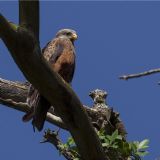
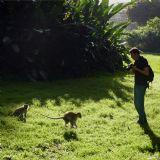
MABAMBA SWAMP AND THE BOTANICAL GARDENS (DAYTOUR)
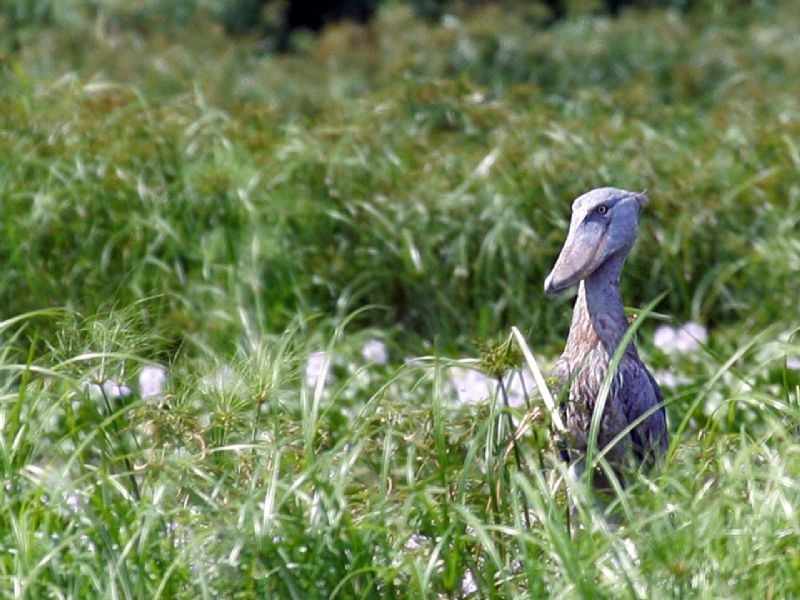
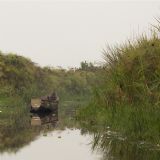
Today you will see a lot of birds, since Kampala is a great destination for birding! Visit Mabamba Swamp, where you can canoe and look for the elusive Shoebill Stork. After lunch you go to the Botanical Gardens, where you can spot all kinds of birds and many monkeys. The original movie Tarzan is recorded here!
Highlights Uganda
Wildlife and Nature
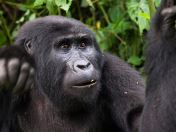
- Gorilla tracking in Bwindi Impenetrable National Park and Mgahinga Gorilla National Park (part of the Virunga Volcanoes).
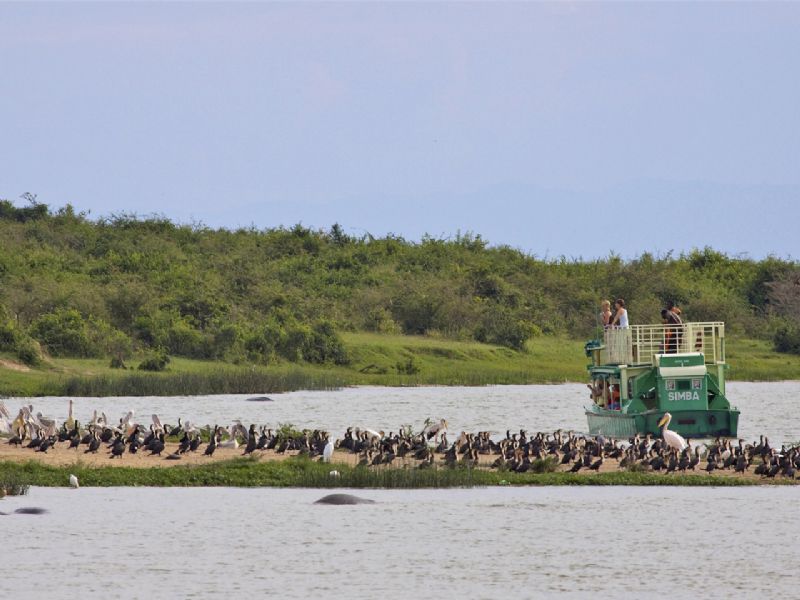
- Boat-trips on the Nile and the Kazinga Channel with spectacular wildlife and photo opportunities.
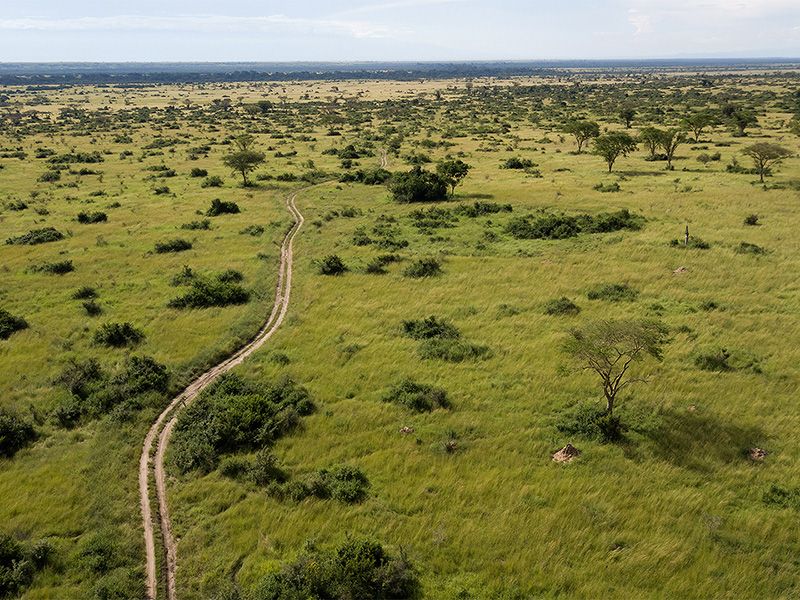
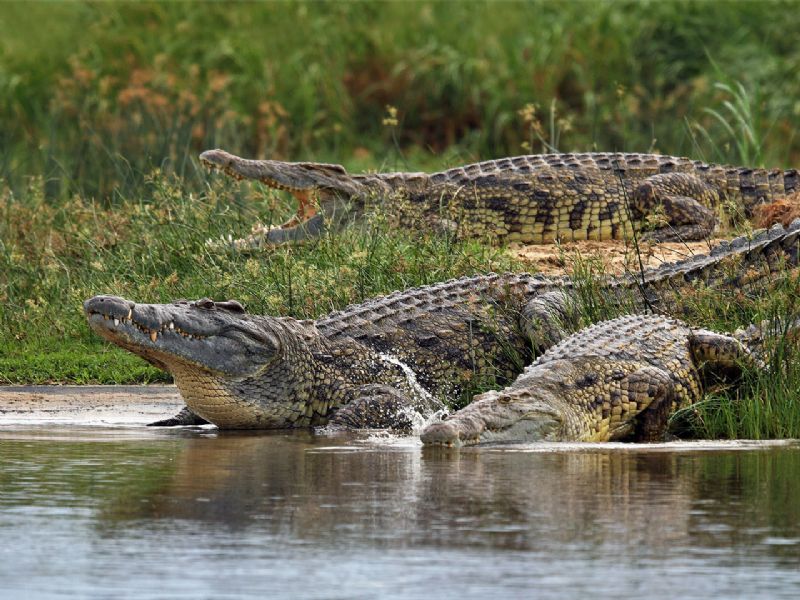
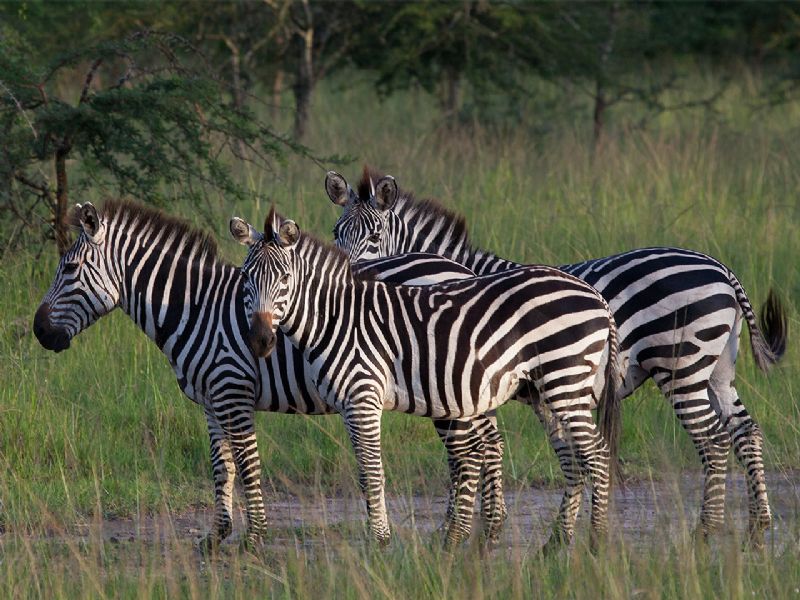
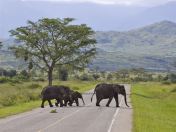
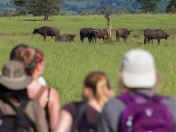
- Game drives on the Savannas of Murchison Falls National Park, Queen Elizabeth National Park, Kidepo Valley National Park, Lake Mburo National Park and Semliki Wildlife Reserve. Wildlife includes: Elephants, Lions, Buffaloes, Leopards, Giraffes, Zebras, Hyenas, Warthogs, Baboons, Hippos, Crocodiles and a lot of beautiful bird species.
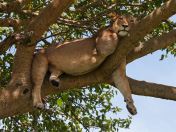
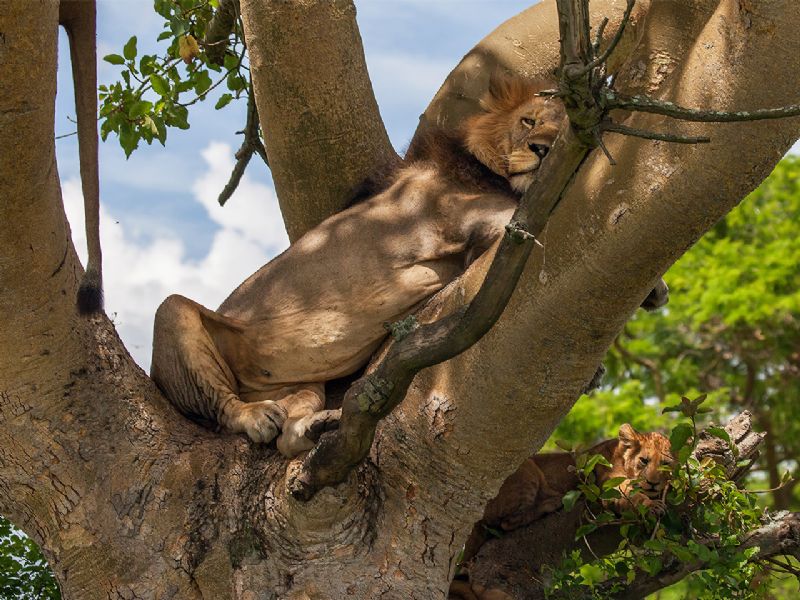
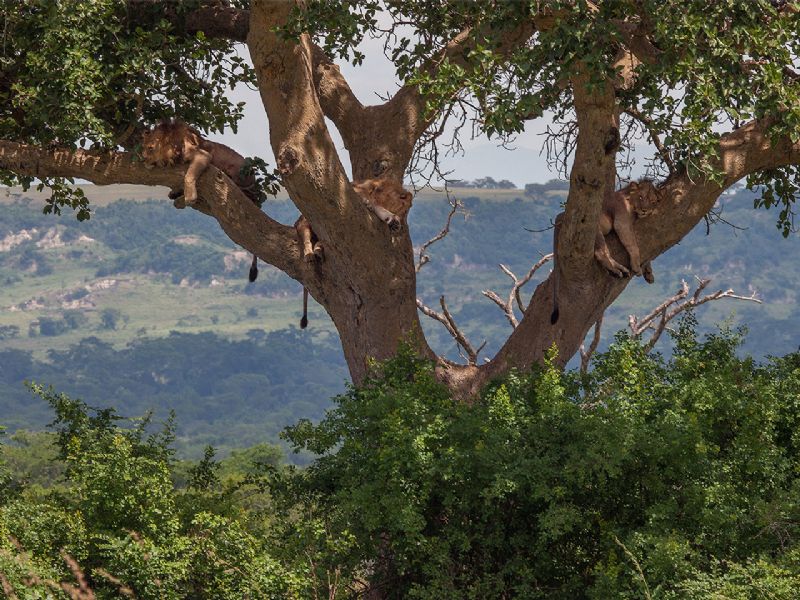
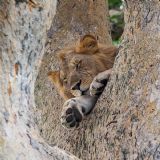
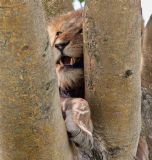
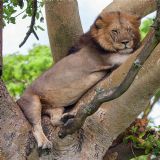
- Spot the tree climbing lions on the plains of Ishasha, southern part of the Queen Elizabeth National Park.
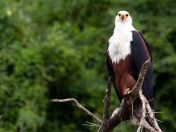
- Birdwatching with up to 1000 bird species. It is possible for a birder to see up too 500 species in one trip.
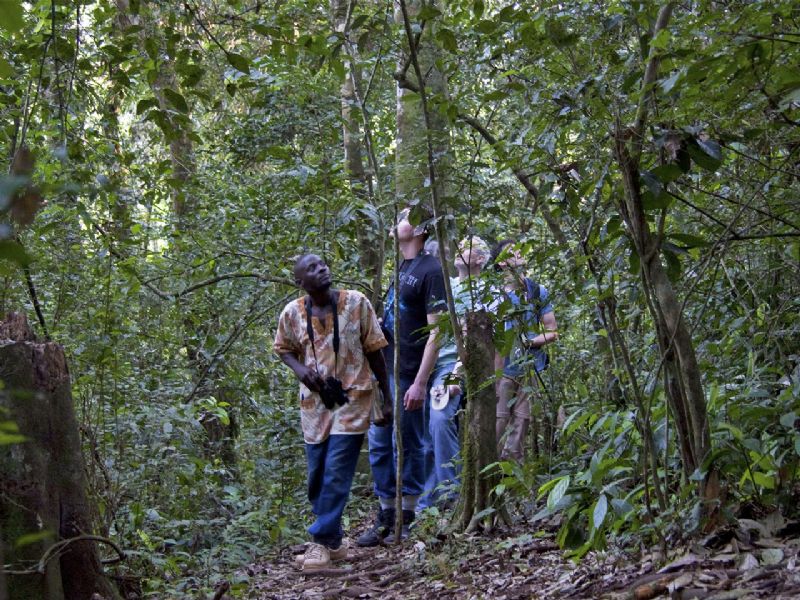
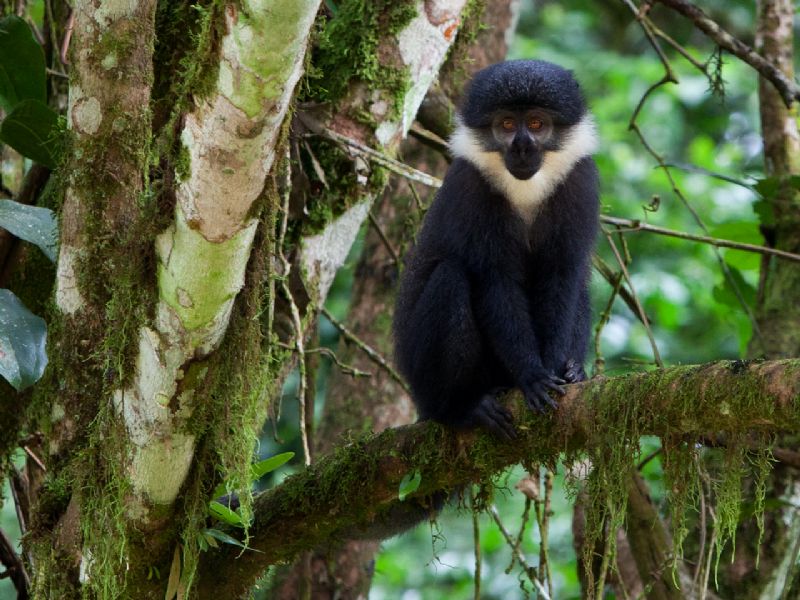
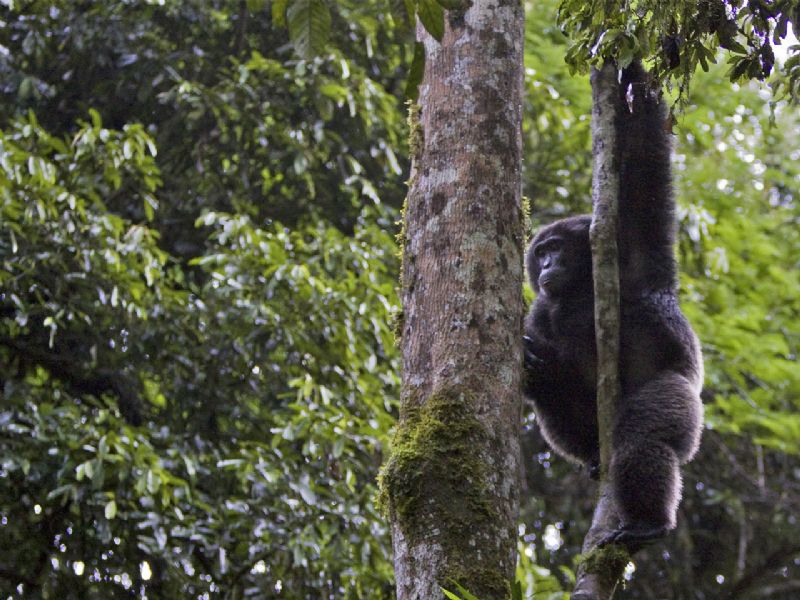
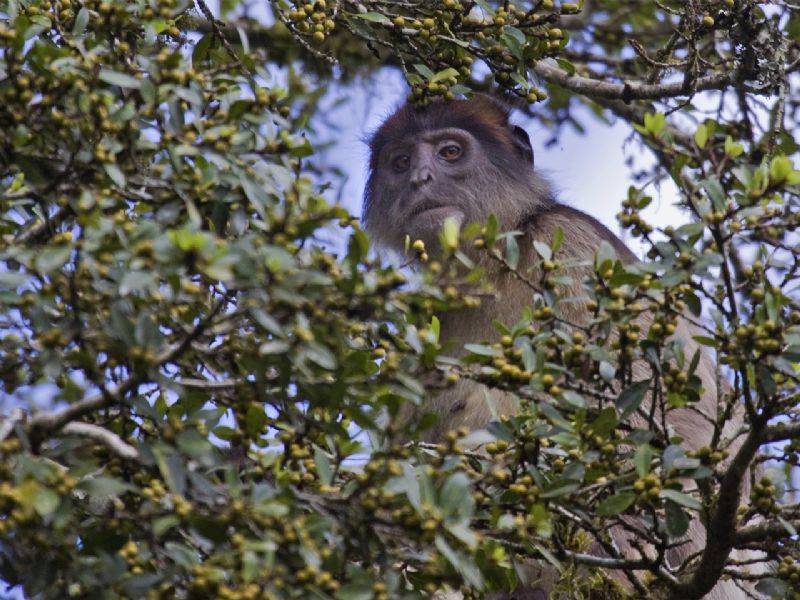
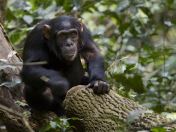
- See up to 13 monkey species during a nature walk in Kibale Forest National Park. The species include Black and White Colobus, Red Tailed monkeys, Patas monkeys, L'Hoest monkeys, Baboons, Chimpanzees and up to 335 bird species.
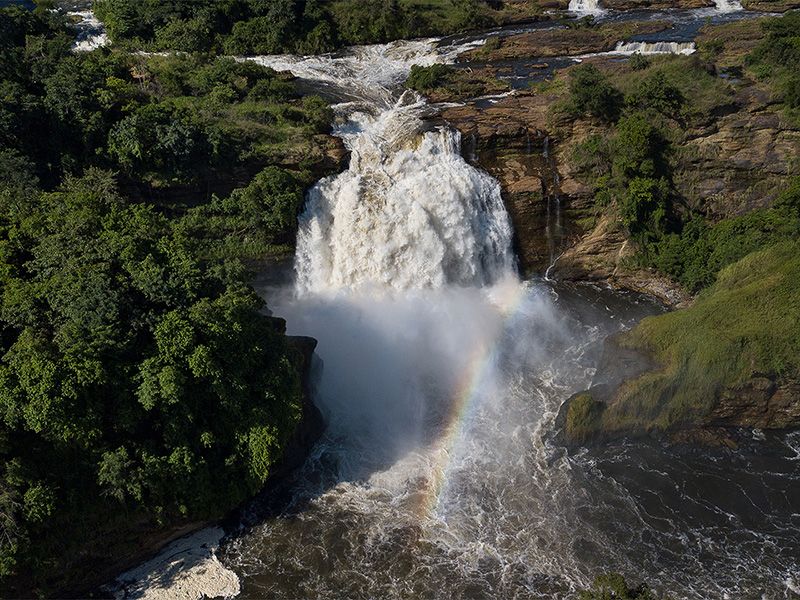
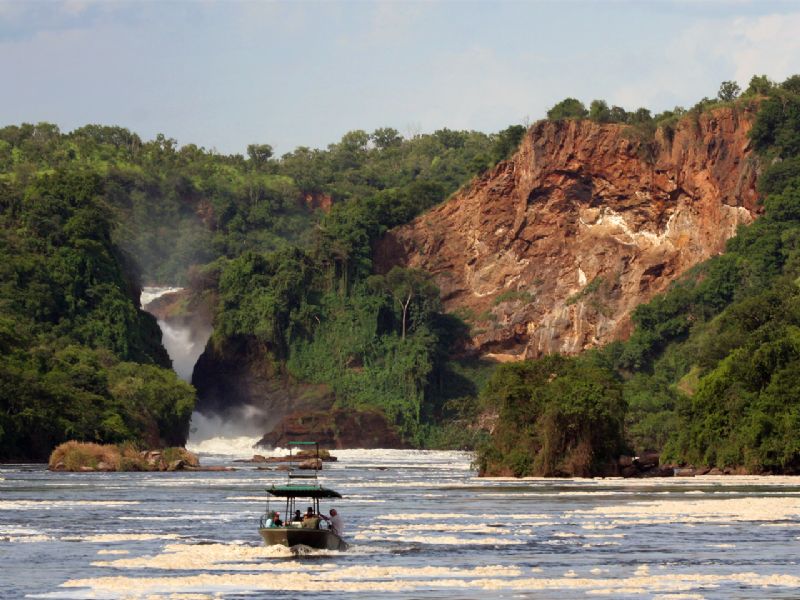
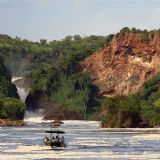
- The mighty Nile with the spectacular Murchison Falls in Murchison Falls National Park.
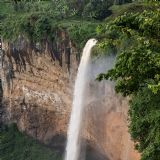
- Enjoy the beautiful scenery in the Mbale Region (Mount Elgon National Park) with the Sipi Falls.
- Visit the Golden Monkeys in Mgahinga Gorilla National Park.
- Visit the Sempaya Hot Springs in Semuliki National Park.
Things to See and To Do
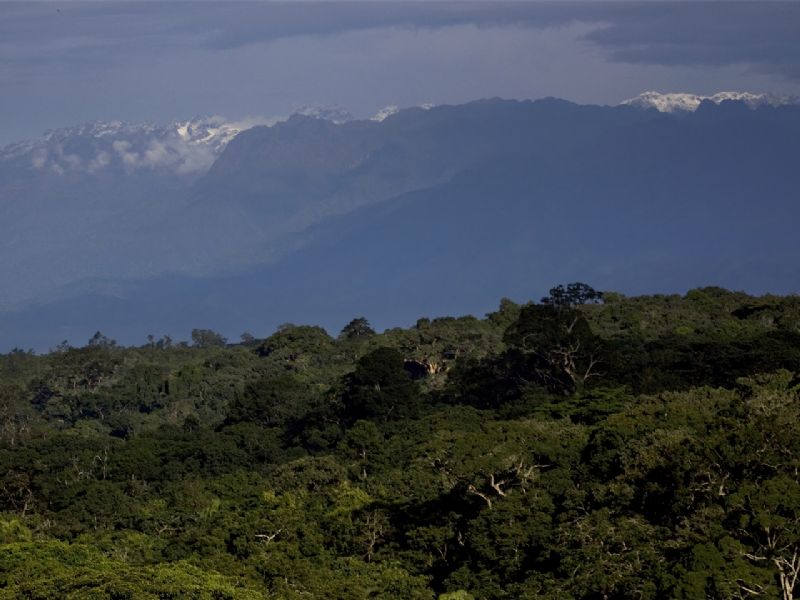
- Some of the world's best white water rafting (wild water rafting) in Jinja, the source of the Nile. Hiking / Trekking in the Rwenzori Mountains (Ruwenzori Mountains, also known as the Mountains of the Moon) with their snow-capped peaks.
- Climbing the Virunga Volcanoes (Sabinio, Gahinga and Muhavura) in Mgahinga Gorilla National Park, part of the Virunga National Park.
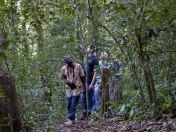
- Forest Walks in Kibale Forest, Budongo Forest, Bwindi Impenetrable National Park and Semuliki National Park.
- Visit Kampala, Uganda's modern and bustling cosmopolitan capitol, with the Kasubi Tombs, museums and craftcenters.
- Relax on the idyllic islands of Lake Victoria (Ssese Islands) and Lake Bunyonyi.
Meet the Local People
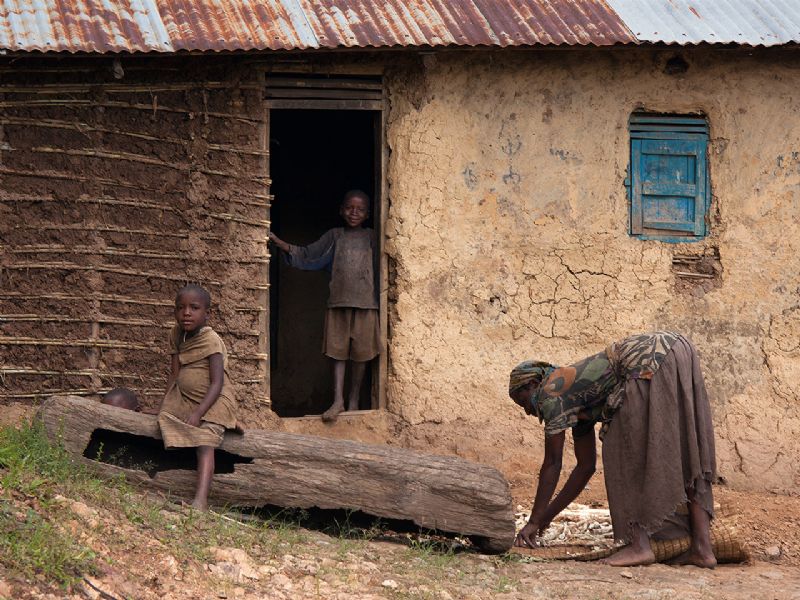
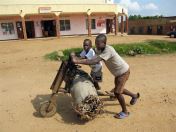
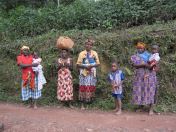
- Visit local tribes, enjoy a typical African church ceremony or spend an afternoon with a local family.
- Visit the pygmies and experience their unique culture.
- Volunteer in local education, health care, or conservation projects.
About Uganda
Come and see for yourself Uganda has it all:
The highest mountain-range of Africa, the largest lake, the great savannas of Kenya and Tanzania and the vast tropical rainforests of Congo and Rwanda. Uganda offers the best of everything from East and West Africa. An unique combination of the large animals like Elephants, Lions, Buffaloes, Leopards, Giraffes, Zebras, Hyenas, Warthogs, Hippos and Crocodiles from the savannas and the forest animals like Chimpanzees, Gorillas, Black and White Colobus Monkeys, Red-tailed Monkeys, Patas Monkeys, Blue Monkeys, Forest Elephants, Forest Buffaloes and Giant Forest Hogs.
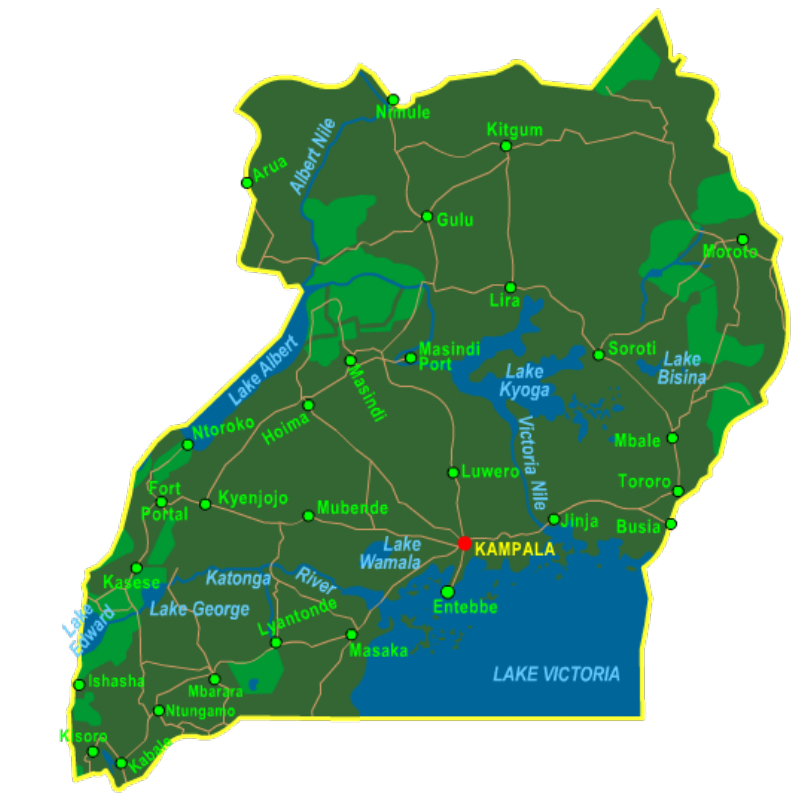
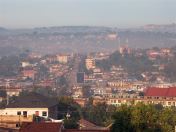
Most tourists arrive at Entebbe’s modern and efficient international airport, with its breathtaking location on the shores of Lake Victoria. Just 40 kilometers away, sprawled across seven hills, there is the capital Kampala. A modern and bustling cosmopolitan city, which reflects the ongoing economic growth and political stability that has characterized Uganda for the last 20 years.
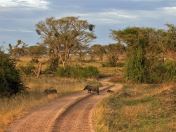
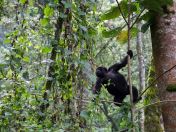
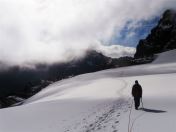
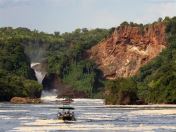
There is more to Uganda than wildlife: The mighty Nile, with it’s spectacular Murchison Falls, the setting for some of the world’s best white-water rafting. There are the snow-capped mountains of the Rwenzori, and the Virunga Volcanoes and Mount Elgon, both with a lot of hiking opportunities through a beautiful scenery. Uganda has a few beautiful big lakes like Lake Victoria and Lake Bunyonyi. And apart from that, Uganda has the reputation as ‘Africa’s Friendliest Country’, with the tradition of hospitality and a remarkably low level of crime and hassle directed at tourists. The official language of Uganda is English and the currency is Ugandan Shilling (USh). The land is 236.580 sq. kilometers, with a population of 24,5 million.
Uganda is a tropical country and much of it lies on the African plateau between 900-1,500 meters above sea level. This gives Uganda a nice tropical climate, with temperatures averaging between 21 and 27 degrees Celsius during the day and between 12 and 18 degrees Celsius at night. The hottest months are from December to February, with 27 to 29 degrees Celsius. The rainy seasons are from April to May and October to November.
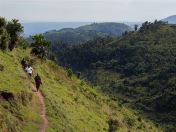
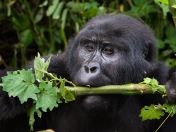
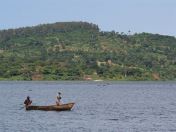
Uganda is well watered and fertile, almost 25% of the country is covered with water. Lake Victoria is shared by Uganda with Kenya and Tanzania. Lake Albert, Lake Edward and Lake George lie on the border with Congo (DRC). At Jinja, Owen Falls is regarded as the source of the Nile.
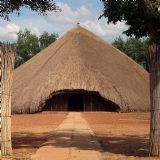
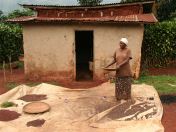
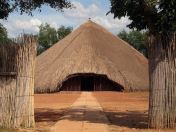
Uganda is a cultural melting pot, with 30-plus different languages belonging to five distinct linguistic groups. The country’s most ancient inhabitants, confined to the hilly southwest, are the Batwa and Bambuti Pygmies. They left behind a rich legacy of rock paintings, such as those at the Nyero Rock Shelter near Kumi. The cultural core of modern Uganda are the Bantu-speaking kingdoms of Buganda, Bunyoro, Ankole and Toro. According to oral tradition, these centuries-old kingdoms are offshoots of the mediaeval kingdoms of Batembuzi and Bacwezi. Three former kings of Buganda are buried in an impressive traditional thatched building at the Kasubi Tombs in Kampala. Other cultures in Uganda are: Karimojong, Maasai, Bakonjo and the Bagisu.
Videos Uganda
Kazinga Tours - Uganda from the Sky - Highlights
See the beautiful landscapes and animals of Uganda from the sky, filmed with a drone. This is the highlights movie, please look at the videos from the specific areas as well. Places visited with our drone: Murchison Falls, Kibale, Queen Elizabeth, Lake Mutanda, Lake Bunyonyi and Lake Mburo National Park.
Kazinga Tours - Lake Mburo NP From The Sky
In this video we explore the beautiful Lake Mburo National Park from the Sky. On this day, we were the only ones who saw the giraffes.
Kazinga Tours - Murchison Falls Waterfall from the Sky
We explored the amazing Murchison Falls Waterfall from the sky! With our drone we were able to make unique photos and videos. From the main waterfall which is visible from the boat and top of the falls, but also from the hidden second waterfall. Please enjoy flying on top of the mighty waterfall in the Nile!
Kazinga Tours - Mountain Biking in Uganda
Uganda is a great place for Mountain Biking! We explored Lake Mburo National Park on our MTB and enjoyed it a lot. See all the zebras, Impalas, Ankole Long-Horned Cattle and beautiful nature. We used cameras on our bikes and a drone to film us from above.
Kazinga Tours – Crater Lakes Uganda
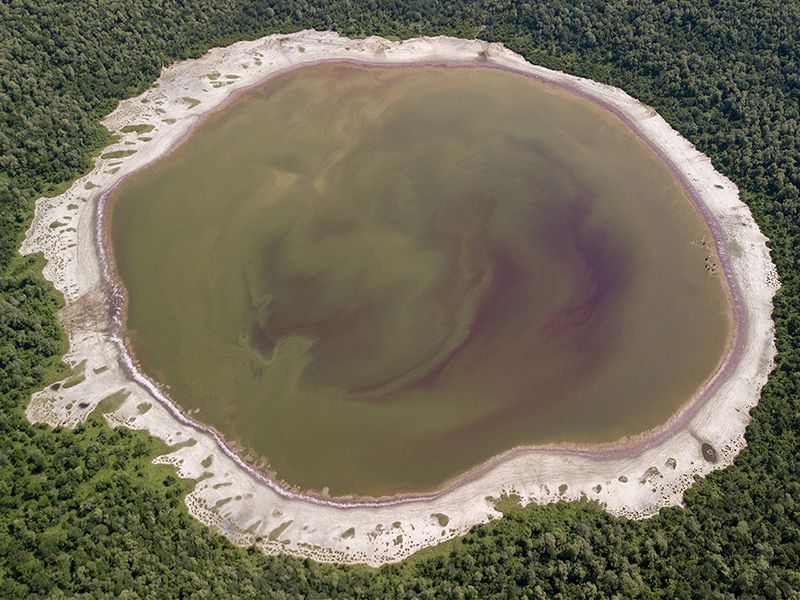
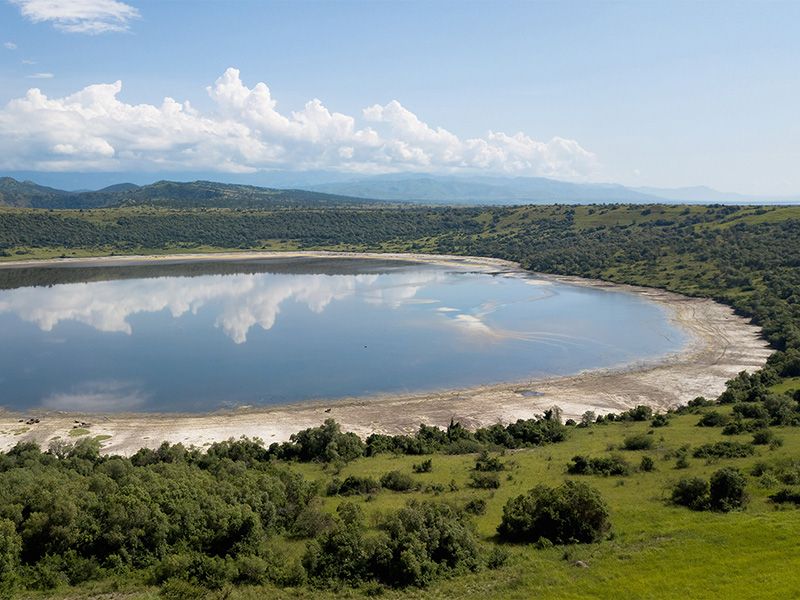
Uganda has some very beautiful Crater Lakes. They can be found in Kibale Forest area and in and around Queen Elizabeth National Park. To see them from the ground is nice, but the real beauty can only be seen from the sky! Come and see for yourself!
Kazinga Tours – Murchison Falls National Park by drone
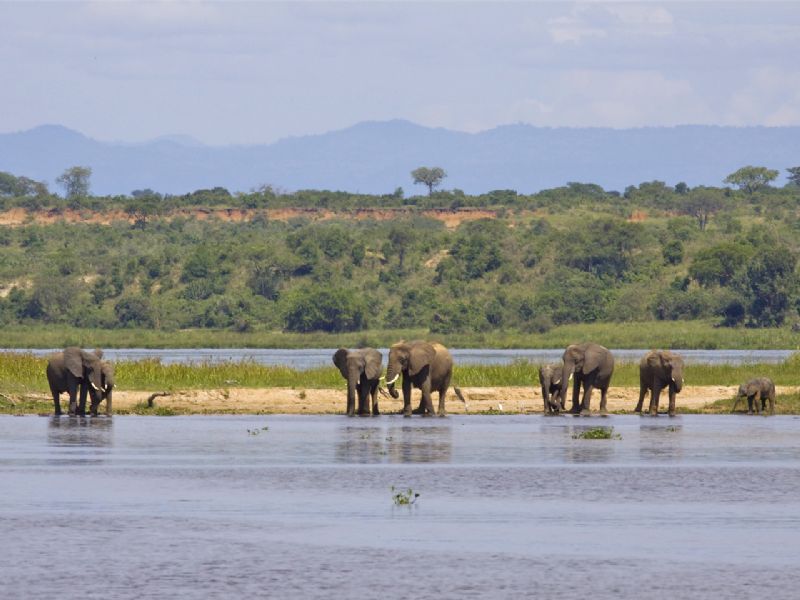
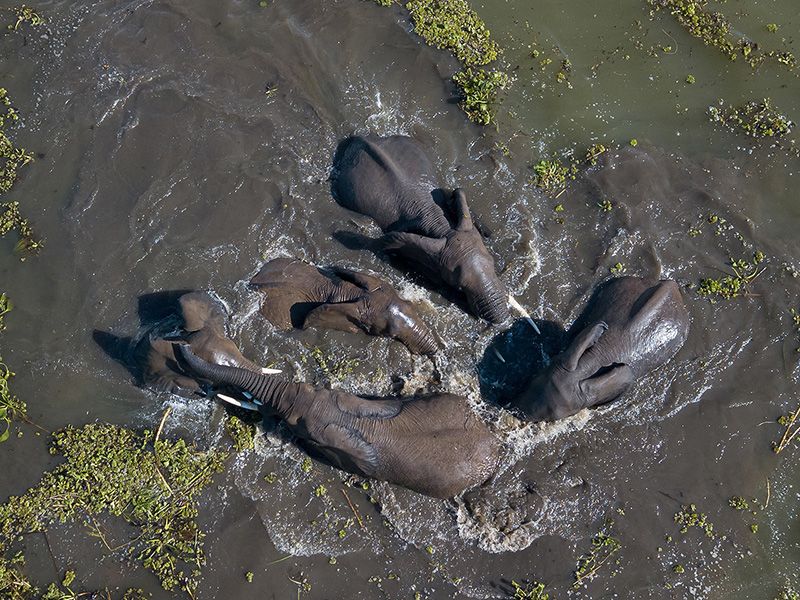
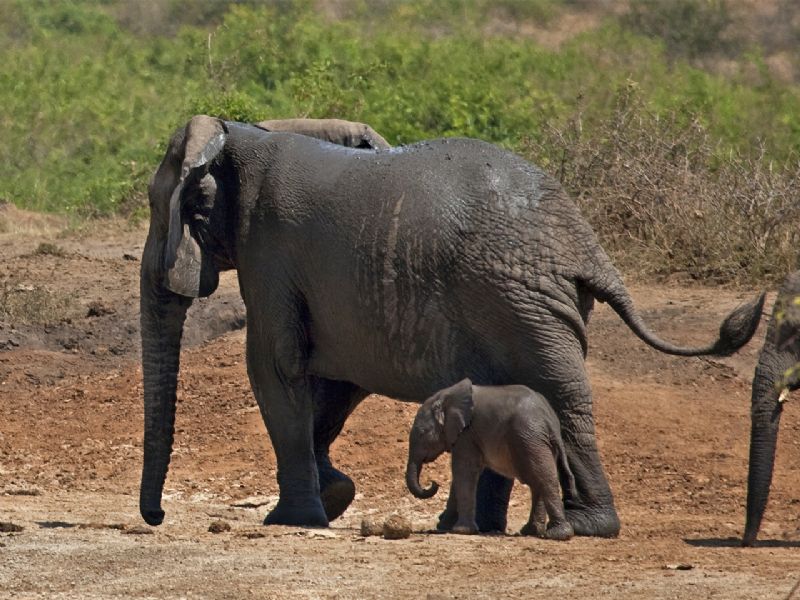
We explored the amazing Murchison Falls National Park with our drone! We saw the beautiful landscapes and a lot of animals from the sky. Most special were the elephants playing in the water, the hippo with fish around him and the silhouettes of giraffes and elephants. Please enjoy flying with us.
Kazinga Tours - Lake Bunyonyi and Lake Mutanda from the Sky
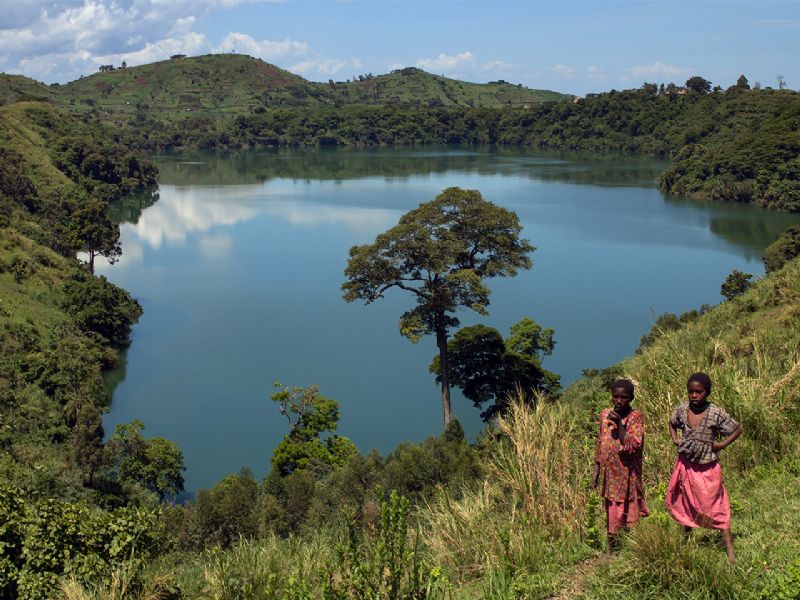
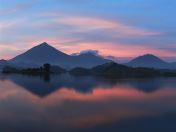
Two of the most beautiful lakes of Africa are in Uganda: Lake Bunyonyi and Lake Mutanda! Lake Bunyonyi looks spectacular from the sky, with its round shapes and many small islands. The highlights of Lake Mutanda re the 5 volcanoes which can be seen. Come and see this beautiful videos for yourself. Travel to Uganda with Kazinga Tours.
Kazinga Tours – Kibale Forest and Tea Plantations
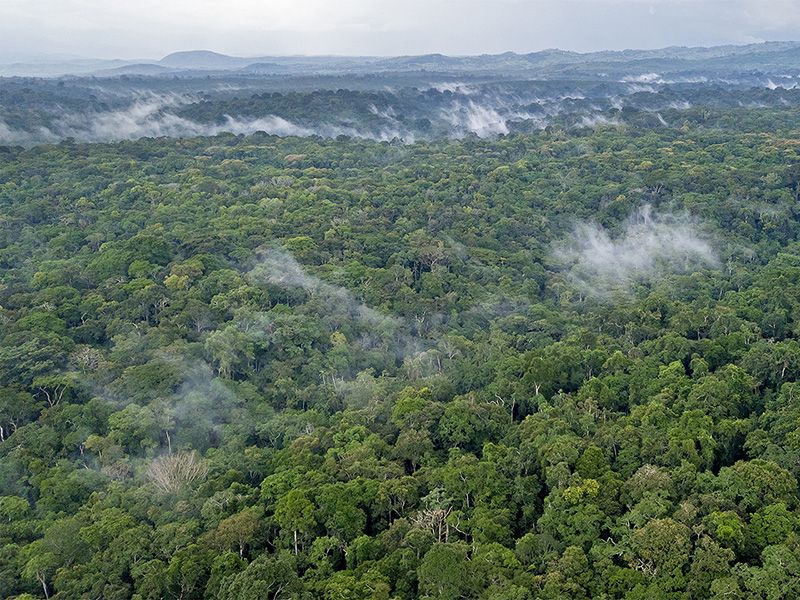
Kibale Forest National Park is one of the highlights of Uganda. This beautiful forest is home to the Chimpanzees and 12 monkey species. The forest creates its own mist. With our drone we have been able to fly above the mist, which gave a spectacular view of the forest with the Rwenzori Mountains behind it. Apart from the National Park, Kibale Forest is surrounded by tea plantations, which gives beautiful views from above. Come and see this beautiful videos for yourself!
Subscribe to our YouTube Channel to see our new uploads!
This video is made by www.theworldfromthesky.com
Kazinga Tours - Uganda Highlights
Kazinga Tours - Bwindi Impenetrable Forest
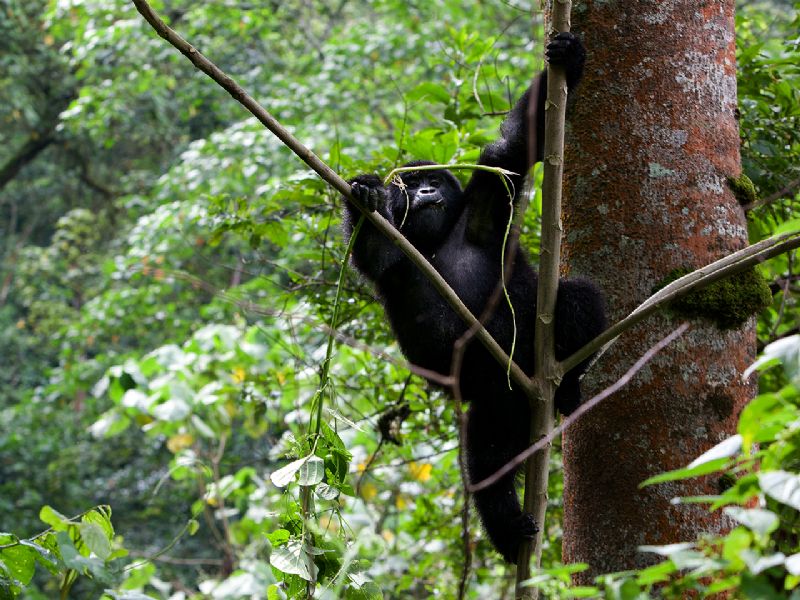
Seeing the mountain gorillas is a very intense and unique experience. Take a look at our Video to get a glimpse of how it is to see them in the wild….
Kazinga Tours – Murchison Falls National Park
Murchison Fall National Park is one of the best national parks in Uganda. See the spectacular Murchison Falls, a huge waterfall in the Nile. Murchison Falls is home to the big 4: Elephants, Buffalos, Lions and Leopards.
Kazinga Tours – Queen Elizabeth National Park
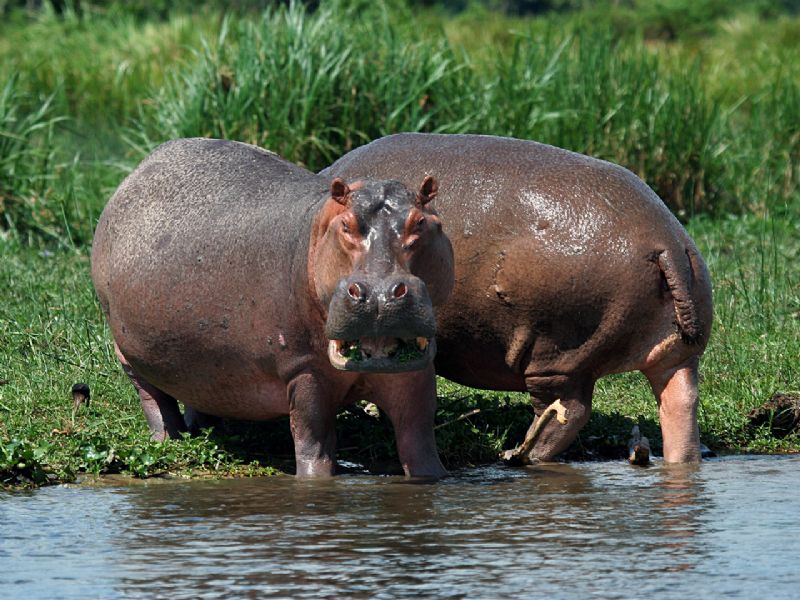
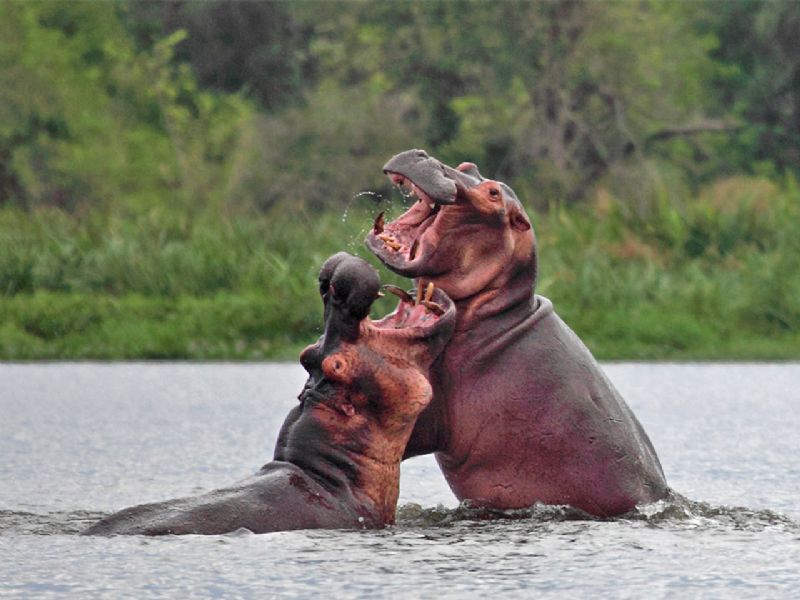
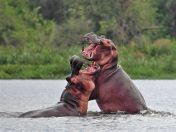
Queen Elizabeth National Park is a spectacular national park in Western Uganda. It is home to the Kazinga Channel, a natural channel which is believed to have the highest population of hippos. Queen Elizabeth National Park is also home of many animals including the Big 4: Elephants, Buffalos, Lions and Leopards. In the Southern sector of the park, in Ishasha, tree climbing lions can be found.
Kazinga Tours – Ishasha and Queen Elizabeth National Park by drone
Queen Elizabeth National Park is a spectacular savannah and seen from the Sky it is even more spectacular! In Queen Elizabeth NP we saw some very interesting Crater Lakes.
Ishasha is home of the tree climbing lions and the Ishasha River. Beautiful to see from the Sky. Please enjoy flying with us!
This video is made by www.theworldfromthesky.com
Please subscribe to our YouTube channel.
Kazinga Tours - Bwindi from the Sky
Bwindi Impenetrable National Park is one of the highlights of Uganda. This jungle is home of the Mountain Gorillas! And it is also beautiful seen from the sky. With our drone we have been able to fly above the mist, which gave a nice view of the forest and the ‘sharp line’ with the surrounding rural land. Come and see this beautiful videos for yourself!
This video is made by www.theworldfromthesky.com
Please subscribe to our YouTube channel.
And for more other drone videos, please check www.theworldfromthesky.com
Wildlife and Birds Uganda
East Africa is the best place in the world to watch wildlife. Large animals are more abundant, diverse and visible than anywhere else in the world. East Africa is also one of the best places in the world for birdwatching. It's not unusual for birdwatchers to see 500 or more species in one trip.
Wildlife
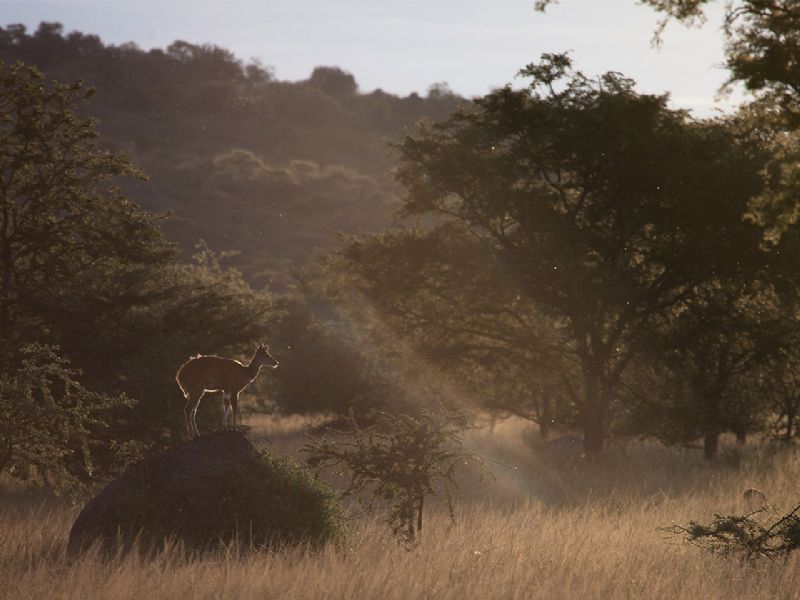
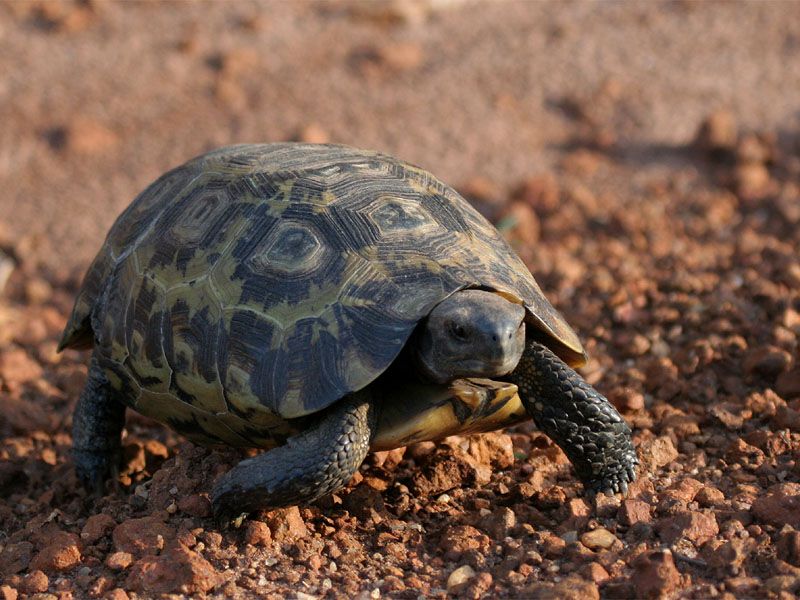
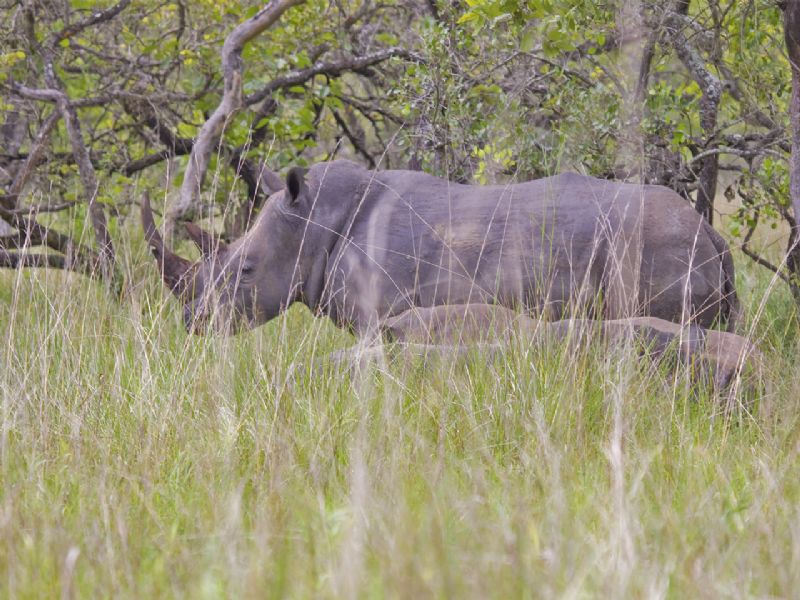
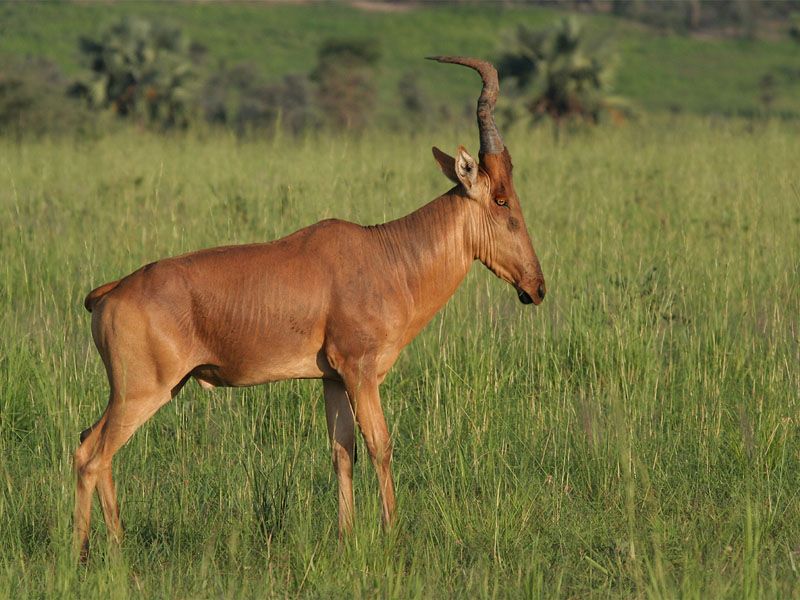
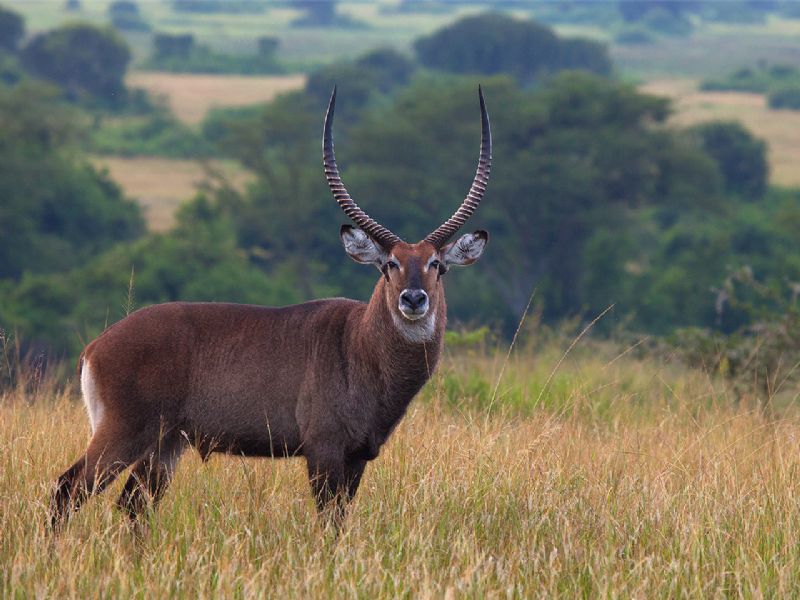
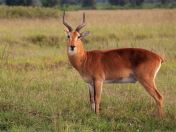
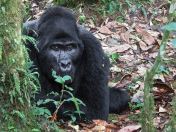
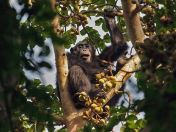
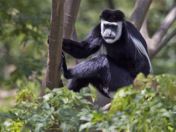
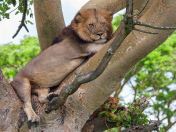
There are more then 100 mammal species in East Africa: Elephants, Rhinos, Giraffes, Buffaloes, Lions, Leopards, Cheetahs, Hyenas, Monkeys, Zebras, Warthogs, Bushpigs, Giant Forest Hogs, Hippos and more then 40 antelope species, such as Kudus, Topis, Waterbucks, Hartebeests, Uganda Kobs, Oribis, Bushbucks, Elands, Impalas, Roan Antelopes, and Gazelles. Other species include Nile Crocodiles, Nile Monitors, other lizards and snakes, Mountain Gorillas, Chimpanzees and 15 monkey species.
Birds
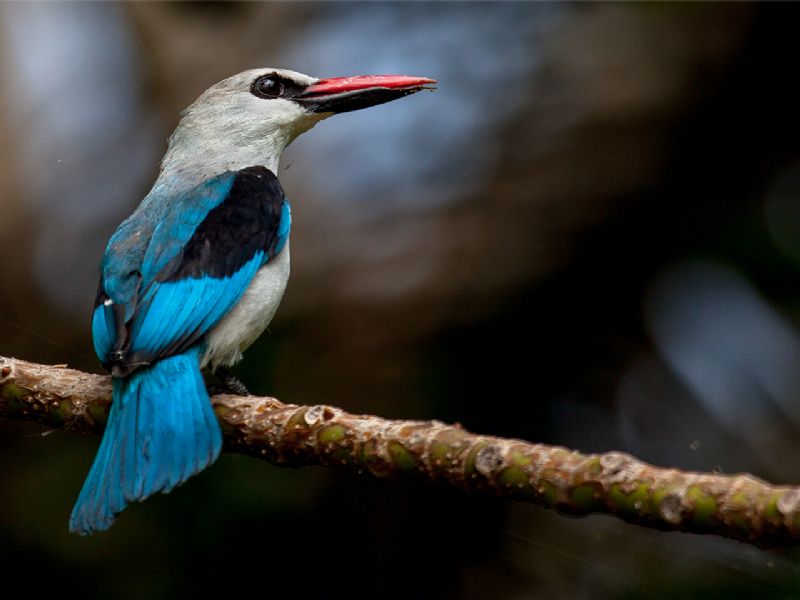
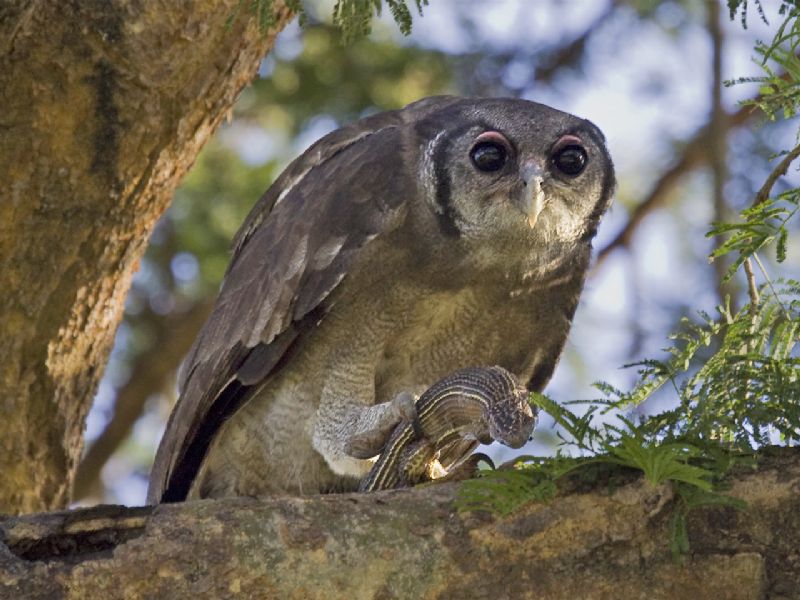
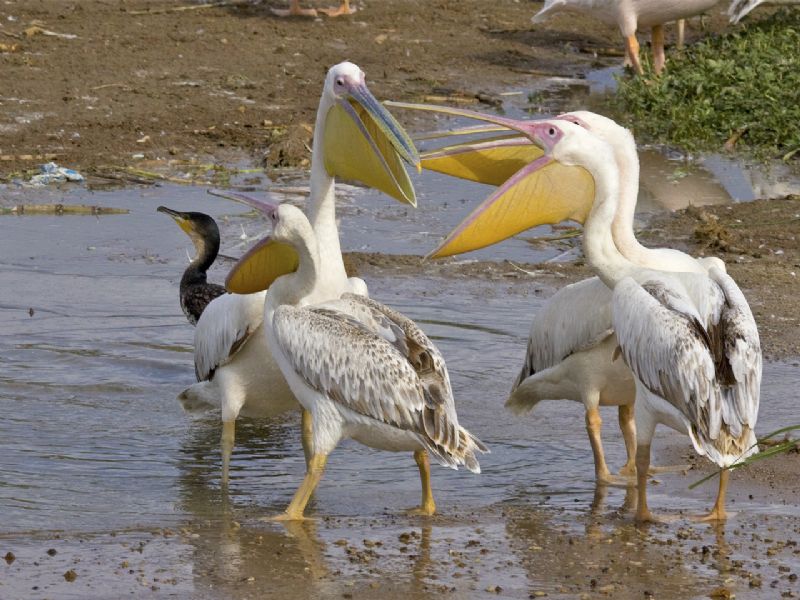
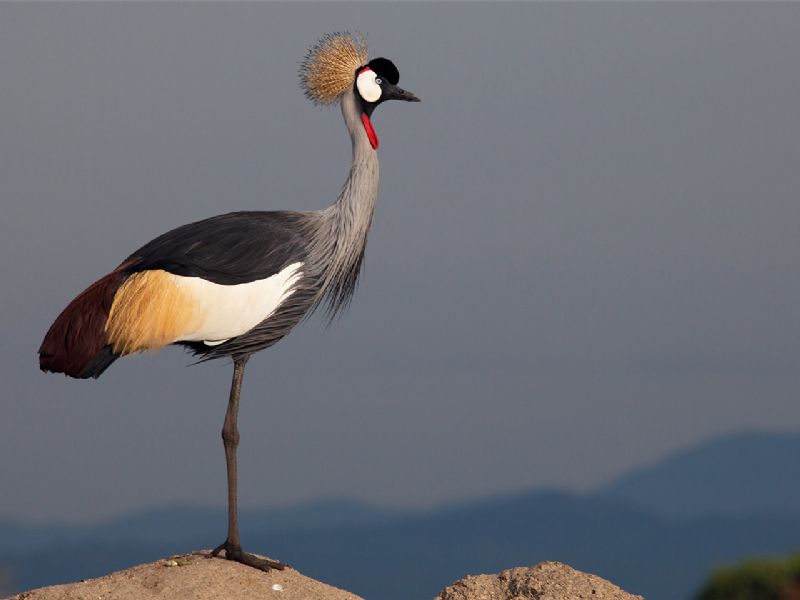
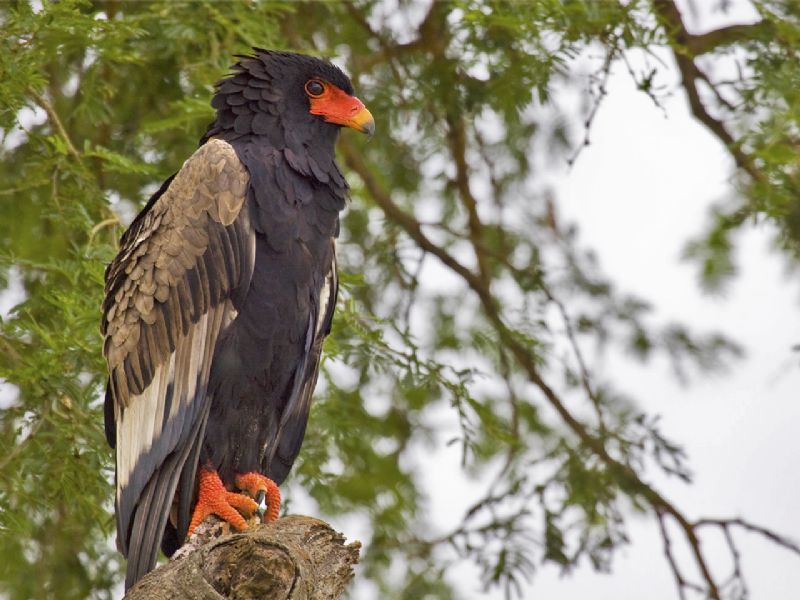
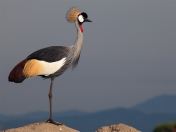
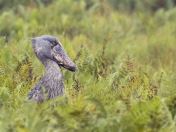
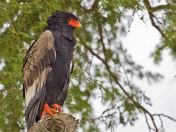
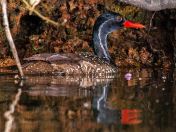
There are over a thousand bird species, which makes East Africa a birder's paradise. Species include: Shoebill Stork, Saddle Billed Stork, Pelicans, Herons, African Fish Eagle, Bateleur, Long Crested Eagle, Vultures, Owls, Grey Crowned Crane, Great Blue Turaco, Rwenzori Turaco, Hornbills, Honey birds, Sunbirds, Weavers and the African Finfoot.
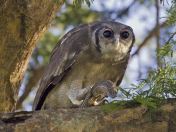
Watching Wildlife
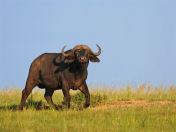
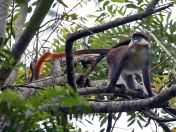
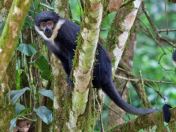
All these species are visible in Uganda, Rwanda and Tanzania. And in the western part of Uganda and in Rwanda, there's an unique combination of the savanna animals from East Africa and the forest animals of West Africa. Species such as Mountain Gorillas, Chimpanzees, Black-and-White Colobus, Red Colobus, L'Hoest's Monkeys, Brazza's Monkeys, Patas Monkeys, Red-Tailed Monkeys, Blue Monkeys, Forest Elephants and Forest Buffaloes. According to the Lonely Planet Uganda offers the best of everything from East and West Africa.
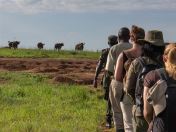
Local people Uganda
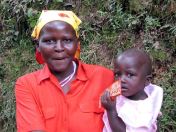
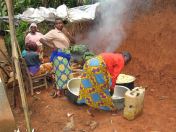
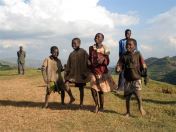
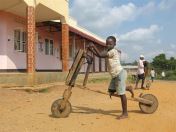
Meet the local people and spend an afternoon with them, have a meal together, visit a school or a typical African Church Ceremony, or visit one of the projects. Kazinga Tours supports the local people and encourages clients to visit one of their programs and give them support.
Kazinga Tours is working together with Akatagyenda Community Based Tourism. This unique combination gives the opportunity to meet the local people of Uganda and visit local tribes. Its not a treasure to see Uganda without meeting the local people, so shape your safari with local people!
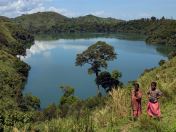
About Akatagyenda
Akatagyenda was established as an umbrella organization representing communities in destination areas of S.Western Uganda to understand the importance of traveling leading to tourism as a business, which Akatagyenda believes, is among the best sectors to help communities get out of poverty. Further, its purpose is to empower local communities in sustainable development that can plan, manage and develop themselves.
With the growth of tourism during the 1990's, communities near 'protected areas' and national parks discovered an opportunity - tourism. Uganda, as a tourism destination, had become more suited to the smaller scale, environmentally related tourism called Eco-tourism. The hope of Akatagyenda is the formation of a symbiotic relationship between tourism, indigenous people and natural, environmentally sensitive areas.
Tourism in Uganda offers one of the best hopes for increasing the income of local people and at the same time preserving 'protected areas'.
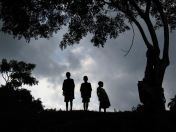
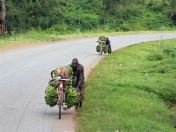
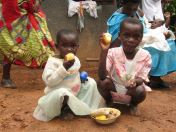
.jpg)
AKATAGYENDA will encourage communities to develop tourism activities that they can plan, manage and develop themselves. These activities should not take over from the more traditional agricultural based economies but provide a needed 'cash crop'. This is essential to the well being of the community and the tourism industry that they are trying to create.
Community tourism can involve everyone. Those in the community, who do not speak English, have poor education levels or work experience can still be employed as porters, to transport water and firewood, in trail and compound maintenance and for construction as labourers. These are not /dead-end /jobs and community members will find opportunities to move into other positions as they develop the needed skills.
Tourism, or rather a lot of tourists, does not mean that the area or inhabitants of an area will directly benefit from that tourism spending. Unless the area of opportunity for the community involves various sectors, the community may not take ownership of this difficult industry. Tourism revenue should not only be reflected in the jobs and expenditure directly related to the visit, but should also be found in sectors such as agriculture or construction or health care.
AKATAGYENDA will continue the community opportunity through the development of handcrafts, Bee Keeping as well as dance, song and drama. These activities widen the opportunity for both the visitor and the community. Shopping is a major part of as holiday. Quality craftwork is something that can be taken home in order to share the holiday experience. Handcrafts can also be sold outside the community through shops in Kampala, or even exported if community members are well organized and sensitized.
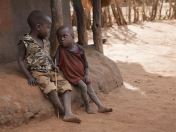
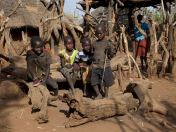
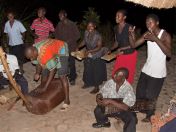
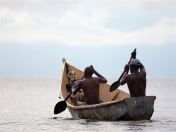
Akatagyenda Project Aims:
- To encourage quality community based tourism with the aim of benefiting communities through sustainable development.
- Developing and encouraging the development of infrastructure in rural areas for easy access to the protected areas.
- Restore the rich cultural and traditional heritage of Unawatuna and toensure that it is a quality tourism destination.
- Preserve and promote the rich religious and cultural values of the destination area.
- Giving value to and promoting traditional skills, values, Cultures and history of the communities.
- Encourage and increase the inflow of foreign tourists, by providing exceptional catering, free from harassment and pollution, with appropriate infrastructure and sanitation facilities.
- Job creation for the poor and marginalized sectors.
- Tourism awareness training for the communities.
- Utilize local resources and skills to enhance the tourism industry's income and in turn benefit the host community.
- Lobbying of private sector to use CBT activities.
- Training on natural resource management and sustainable technologies for communities.
Travel info Uganda
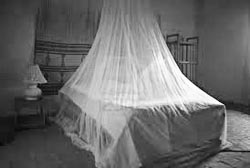 The Government of Uganda requires mandatory proof of Yellow Fever Vaccination for travelers 1 year of age and above. Travelers should possess a valid Yellow Fever vaccination certificate (vaccine received at least 10 days ago) prior to entry into Uganda. Travelers who do not meet this requirement must be vaccinated at the Airport (with possibility of isolation as determined by the Aiport health authority) prior to entry into Uganda at the travelers own costs.
Furthermore all required inoculations must be recorded by your health practitioner on a valid vaccination certificate. You must carry this document with you throughout the tour. All visitors should take malaria prophylactic drugs. We also advise that you bring a mosquito repellent with you. Always consult your doctor or pharmacist for up to date requirements, inoculations and personal recommendations!
Normally you need the following vaccinations (but please always consult a doctor):
- Yellow Fever
- DTP
- Hepatitis
For Malaria you need to take tablets, Malarone or Lariam. Malarone is mostly used (please always consult a doctor).
Hygiene is not at the same standard as in your home country, so we advise you to bring a disinfectant cream with you. Always drink bottled water instead of tap water.
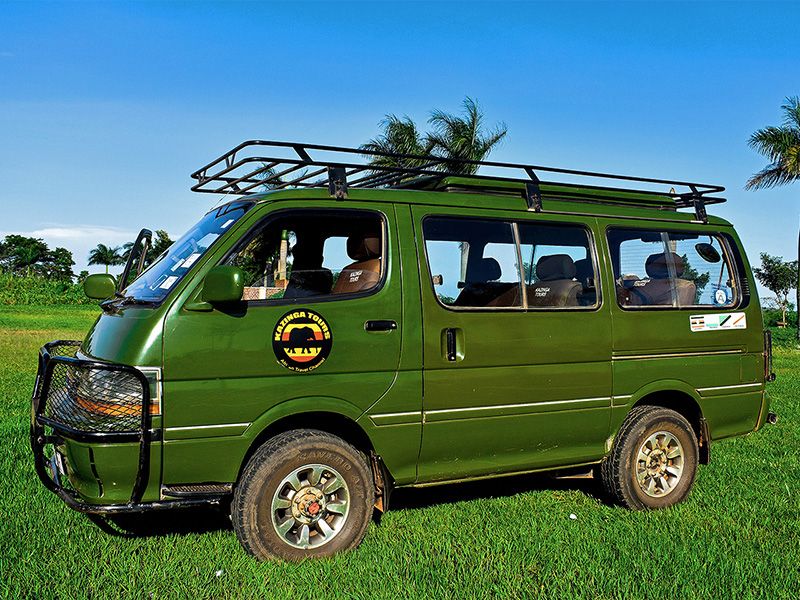
On arrival on the airport our guide will be there waiting for you. During safari we use custom made safari vehicles, custom made for an optimal view of the wildlife. Safari vehicles (and small aircrafts) provide limited space for luggage. It is therefore recommended to travel with light bags since bulky suitcases will overload and might be difficult to be taken on board.
Uganda visa information
The Government of Uganda has an online visa application When you are visiting Uganda you must apply for a visa online:
- Go to the website https://visas.immigration.go.ug/
- Please make sure you have the following documents in .pdf, .jpeg, .png or .bmp format: a copy of your passport, copy of recent passport size photograph and a vaccination certificate (Yellow Fever)
- Fill in the form:
- Visit Uganda only: single entry: “ordinary” visa, USD 50
- Visit 2 countries or more: East Africa / multi entry visa, USD 100 (participating in the East African visa: Uganda, Rwanda and Kenya)
- When you send the form you will immediately receive a tracking code. This code helps you to keep track of how far your application has progressed. You can check its status from this webpage
- The Ugandan authorities will send you a letter in the email after they have approved your application (please check you SPAM folder too)
- Print this letter and bring it with you when you arrive at the overland border or at Entebbe International Airport. You need this letter to be allowed to purchase the entree visa there for USD 50 (Uganda) or USD 100 (East Africa-Multi Entry).
Some nationalities do not require a visa, please check this in advance.
In most of the cities it is possible to withdraw money from an ATM. Travelers Cheques are not widely accepted and it is very difficult or impossible to pay by credit card outside the cities. The US dollar is traditionally the hard currency of preference. We advise to bring some Dollars for daily expenses and tips.
Dollar bills should not be older than 10 years.
 The unit of currency is the Ugandan Shilling. Please check the latest exchange rates before you go to your destination. This will be a guideline. Please note you will get a better exchange rate in the bigger cities.
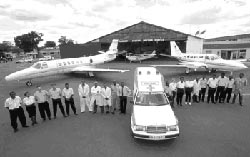
We advise you to apply for a Flying Doctors membership. The membership provides a quick and reliable air evacuation and medical care if needed.
AMREF Flying Doctors offers 2 covers (Annual and Short Term). You can choose between the Maisha Silver (Kenya, Tanzania and Zanzibar), Maisha Gold (Kenya, Tanzania, Zanzibar, Uganda, Rwanda and Burundi) or Maisha Platinum (Kenya, Tanzania, Zanzibar, Uganda, Rwanda, Burundi, South Sudan and Ethiopia).
Please check out the AMREF Flying Doctors website for more information and to become a member.
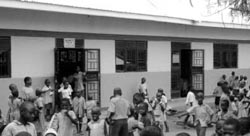 Educated Ugandans are generally fluent in English, which is the official language in Uganda. Next to English there are about 30- plus different indigenous languages.
Uganda is a tropical country, with higher temperatures at lower altitudes (Kampala, Murchison Falls, Kidepo and Bundibugyo).
Areas around Bwindi, Mgahinga, and Lake Bunyonyi are generally cooler.
Uganda can be visited at any time throughout the year. But please keep in mind that mountain hikes, gorilla tracking and other forest walks are more challenging during the rainy seasons (March - May and October - November).
For birders the rainy season is considered to be the best time to visit Uganda.
Rainy season means it rains more often, but not every day and not the whole day.
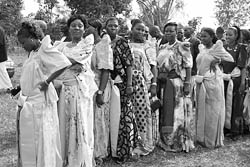
Daytime temperatures are generally warm to hot, so bring lots of light clothing. Evenings are cooler, especially at high altitudes (areas around Bwindi, Mgahinga, Lake Bunyonyi and Kabale) so carry a couple of sweaters too.
Those who intend to do mountain hiking will be exposed to alpine temperatures and should pack accordingly. Do not forget to bring a hat, sunglasses, sunscreen and a waterproof jacket.
During safaris we advise to avoid black and dark blue clothes (because they can attract tsetse flies).
If you are planning on doing a community walk or visit the local people, we advise you to wear appropriate clothing. For example women putting on long skirts and a top that covers the shoulders
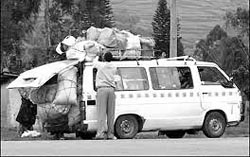 A valid passport is mandatory (passport must be valid for at least 3 months after re-entry) and visa requirements for all countries you are planning to visit should be checked before you travel.
To make the most of your visit to the game reserves and national parks, we advise you to carry binoculars and field guides.
Photographers will need a zoom lens for wildlife (70-300 or more). Please make sure to carry enough memory cards with you. Toiletries and other essentials can be bought in the cities.
A torch (flashlight) can proof to be very useful
We advise you to take an international adapter with you for your electric equipment. The system used in Uganda is the British system. In most lodges it is possible to charge your batteries.
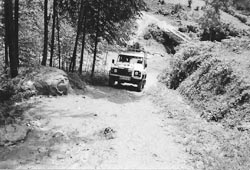 Driving in Uganda is on the left-hand side.
Visitors without experience of African roads are advised to travel with a 4x4 vehicle driven by a knowledgeable driver/guide, rather than self-drive.
All our guides are well trained in "Defensive Driving".
Please mind that washrooms along the road are sometimes not to European standards, for example squatting toilets, no flushing toilets or no toilet paper available. Like the locals say: T.I.A. This Is Africa.
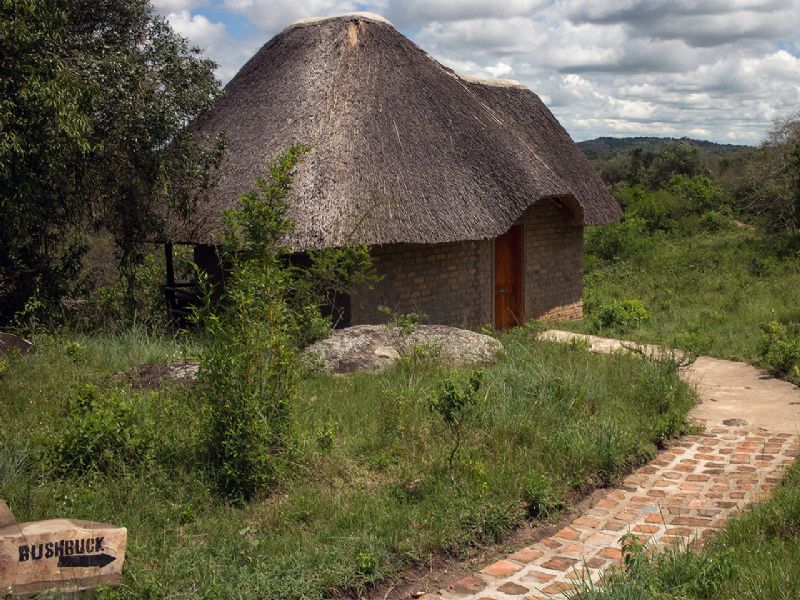
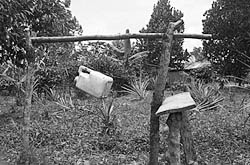 Bathroom facilities and accommodations can be more basic when traveling on a medium to low budget. In the eco lodges mind that the water reserves are limited and in most cases there are no sockets in the room, but you can always charge your devices at the reception.
 Tipping will always be appreciated. It is normal to tip 5-10% in hotels and restaurants. Guides, drivers and carriers should always be tipped. Indication: for carriers USD 1-3 and for your driver/guide USD 5-15 per day, depending on the group size, number of days and your satisfaction.
The Bradt Travel Guide is the most detailed guidebook for Uganda. The Lonely Planet (East Africa), Footprint Guides and Spectrum Guides produce other guidebooks. For wildlife, the best guidebook is ‘Watching Wildlife East Africa’ from the Lonely Planet. For birding, the best guidebook is ‘birds of East Africa’. It is advisable to get the most updated copy.